আন্তর্জাতিক প্যাডেল কোর্ট বিনিয়োগ বা নির্মাণে নবাগত হিসেবে প্রশাসনিক অনুমতি, জোনিং আইন এবং ভবন কোডের জটিল জালে হাঁটা চ্যালেঞ্জিং হতে পারে। তাদের ভারী গঠনমূলক ভার (প্রায় ৩.৬ টন ইস্পাত ও কাচ) এবং উচ্চ-ফ্রিক uয়েন্সি আঘাতজনিত শব্দ , প্যাডেল কোর্টগুলিকে অধিকাংশ আইনি এলাকায় বিশেষায়িত ক্রীড়া সুবিধা হিসেবে শ্রেণীবদ্ধ করা হয়, যার জন্য নির্মাণের পূর্বে অনুমতি প্রয়োজন
এই অংশে দেশ-বিশেষ উন্নয়ন মান, প্রধান সামঞ্জস্যতা প্রয়োজনীয়তা এবং সরাসরি যোগাযোগ যাচাই পথগুলি দক্ষতার সাথে খুঁজে পাওয়ার পদ্ধতি বিস্তারিতভাবে বর্ণনা করা হয়েছে।
যেহেতু অনুমতি প্রক্রিয়াটি কঠোরভাবে স্থানীয় আইনি অধিকার এর অধীনে পরিচালিত হয়, তাই নতুন আসা ব্যক্তিরা এই তিনটি সুনির্দিষ্ট প্রতিষ্ঠানিক চ্যানেল ব্যবহার করে সাধারণ ওয়েব অনুসন্ধান এড়াতে পারেন:
আন্তর্জাতিক প্যাডেল ফেডারেশন (FIP): পরিদর্শন আন্তর্জাতিক প্যাডেল ফেডারেশন । এই ডিরেক্টরিতে যাচাইকৃত ওয়েবসাইট লিঙ্ক, অফিসের ঠিকানা, ইমেল এবং সরাসরি টেলিফোন হটলাইন বিশ্বব্যাপী জাতীয় প্যাডেল সংস্থাগুলির জন্য উপলব্ধ (যেমন: স্পেন, আরব আমিরাত সংযুক্ত আমিরাত, নর্ডিক দেশসমূহ)।
লন টেনিস অ্যাসোসিয়েশন ( LTA ) এবং SAPCA (যুক্তরাজ্য) :যুক্তরাজ্য ও কমনওয়েলথ বাজারের জন্য, সর্বশেষ প্যাডেল কোর্ট নির্মাণের কোড অফ প্র্যাকটিস ডাউনলোড করতে তাদের পোর্টালগুলিতে ভিজিট করুন, যাতে সঠিক বাতাসের চাপ, ক্ষয়রোধী এবং গাঠনিক পরামিতিগুলির বিস্তারিত বর্ণনা রয়েছে
পদ্ধতি: স্থানীয় সরকারের আনুষ্ঠানিক পরিকল্পনা পোর্টাল আপনার লক্ষ্য শহরের (যেমন, লন্ডন বরো কাউন্সিল বা দুবাই মিউনিসিপ্যালিটি)।
সুপারিশকৃত অনুসন্ধান কীওয়ার্ডগুলি: Planning Permission for sports facilitiesঅথবা Change of use for sports ground / commercial use.
কৌশলগত প্রো-টিপ: “প্ল্যানিং সার্চ” ফাংশনটি ব্যবহার করুন এবং ইনপুট দিন “Padel” । আপনি আগের অনুমোদিত স্থানীয় প্রকল্পগুলি থেকে সম্পূর্ণ গঠনমূলক আঁকন, নীলপত্র জমা এবং প্রতিবেশী শব্দ-আপত্তি নিষ্পত্তির বিষয়ে পর্যালোচনা করতে পারেন।
স্থানীয় প্ল্যানিং কনসালট্যান্ট: একটি নির্দিষ্ট প্লটে ক্রীড়া উন্নয়ন অনুমোদিত কিনা তা তাত্ক্ষণিকভাবে যাচাই করতে এবং সঠিক অনুমোদন সময়সূচী চিহ্নিত করতে একজন স্থানীয় বিশেষজ্ঞকে সংক্ষিপ্ত প্রাথমিক পরামর্শের জন্য নিয়োগ করুন।
বিশেষজ্ঞ প্যাডেল কোর্ট নির্মাতা: লক্ষ্য দেশে প্রমাণিত রেকর্ড সম্পন্ন একজন ঠিকাদারের সাথে অংশীদারিত্ব গড়ে তুলুন। প্রতিষ্ঠিত নির্মাতারা স্থানীয় ভবন নির্মাণ কোড (যেমন, যুক্তরাজ্যের ভবন নির্মাণ বিধিমালা )
নিচের টেবিলটি বিশ্বের প্রধান বাজারগুলিতে নিয়ন্ত্রণের কঠোরতার পার্থক্যগুলি উল্লেখ করে:
| অনুসরণের মাত্রা | যুক্তরাজ্য ও নর্ডিক অঞ্চল | স্পেন ও লাতিন আমেরিকা | এশিয়া ও মধ্যপ্রাচ্য |
| পরিকল্পনা ও অঞ্চল বিভাজন |
অত্যন্ত কঠোর: স্থানীয় কাউন্সিল থেকে ঔপচারিক পরিকল্পনা অনুমতি বাধ্যতামূলক; "ব্যবহারের পরিবর্তন" আবেদনগুলিতে ব্যাপক কাগজপত্র জড়িত |
অত্যন্ত পরিণত: প্যাডেল সুবিধার জন্য সুস্পষ্ট অঞ্চল বিভাজন শ্রেণিবদ্ধকরণ, যার প্রাথমিক পর্যালোচনা নিম্নলিখিতটির উপর কেন্দ্রীভূত: বাণিজ্যিক কার্যক্রম লাইসেন্স ( লিসেন্সিয়া ডি আবের্তুরা ). | অনুমতি-নির্ভর: স্থানীয় সাধারণ ক্রীড়া কর্তৃপক্ষ, পৌরসভা থেকে বিশেষ প্রশাসনিক অনুমোদনের উপর ভারী নির্ভরশীলতা সাধারণ ক্রীড়া কর্তৃপক্ষ, পৌরসভা অথবা ব্যক্তিগত মাস্টার-ডেভেলপারদের। |
| ধ্বনি ও শব্দ মূল্যায়ন |
অত্যন্ত কঠোর: উচ্চ-ফ্রিক uয়েন্সি প্রভাব শব্দের কারণে, একটি ধ্বনি মূল্যায়ন প্রতিবেদন বাধ্যতামূলক, যদি বসতি অঞ্চলগুলি ৩০ মিটার থেকে ৫০ মিটারের মধ্যে অবস্থিত হয় |
মধ্যম: সামাজিক গ্রহণযোগ্যতা উচ্চ হলেও, ঘন শহুরে পাড়া এবং উচ্চ-মানের বসতি সম্প্রদায়গুলিতে ডেসিবেলের কঠোর সীমা এখনও কার্যকর রয়েছে। | তুলনামূলকভাবে নমনীয়: বাইরের কোর্টগুলির জন্য নিম্ন বাধা, যদিও কিছু উচ্চ-মানের বসতি এস্টেট বা বাণিজ্যিক অঞ্চলে এস্টেট ব্যবস্থাপনা সংক্রান্ত কঠোর শব্দ নিয়ম প্রয়োগ করা হয়। |
| গাঠনিক ও প্রকৌশলী কোড |
কঠোর: স্ল্যাব এবং রিং বীম স্থানীয়ভাবে সার্টিফাইড স্ট্রাকচারাল ইঞ্জিনিয়ার দ্বারা অবশ্যই অনুমোদন করতে হবে , বাতাস ও তুষার ভারের উপর কঠোর পরীক্ষা-নিরীক্ষার সাথে |
মানকীকৃত: সুসঙ্গত ইউরোপীয় মান ( ইউরোকোড ) দ্বারা নিয়ন্ত্রিত, যা স্ট্যান্ডার্ড প্যানোরামা এবং কাচের কনফিগারেশনগুলির জন্য দ্রুত অনুমোদন প্রদান করে। | জলবায়ু-নির্ভর: ইঞ্জিনিয়ারিং পর্যালোচনাগুলি মূলত ফোকাস করে ইস্পাতের ক্ষয়রোধী গ্রেড এবং ভিত্তির অবসাদনের উপর চরম তাপ, বালুঝড় এবং ইউভি রশ্মির সংস্পর্শে ধরে রাখার জন্য। |
| পরিবেশবান্ধব ও সবুজ অনুমোদন |
বাধ্যতামূলক: নীতিগুলির সাথে বাধ্যতামূলক অনুমোদন, যেমন জীববৈচিত্র্য নেট গেইন (BNG) ১০% যার মধ্যে নথিভুক্ত বাসস্থান উন্নয়ন পরিকল্পনা আবশ্যক |
ব্যবহারিক: মূলত বৃহৎ আকারের কোর্ট ড্রেনেজ, বৃষ্টির জল সংগ্রহ ব্যবস্থা এবং সন্ধ্যায় খেলার জন্য আলোর দূষণ নিয়ন্ত্রণের উপর ফোকাস করে |
শক্তি-কেন্দ্রিক: কম-কার্বন ভবন উপকরণ ব্যবহার এবং উচ্চ শক্তি খরচকারী ফ্লাডলাইটিং সিস্টেমের জন্য শক্তি দক্ষতা নিরীক্ষণের উপর অগ্রাধিকার দেয়। |
প্যাডেল কোর্ট নির্মাণের খরচ সাধারণত সরবরাহ শৃঙ্খলের উৎসের উপর ভিত্তি করে পরিমাপ করা হয় (যেমন, চীনে তৈরি বনাম জার্মানিতে তৈরি) এবং পছন্দকৃত বিশেষায়িত স্তরের উপর।
| স্তর | সরবরাহ শৃঙ্খলের উৎস | মূল বিশেষত্ব | অনুমানিত কোর্ট কিট খরচ (এক্স-ওয়ার্কস) | অনুমানিত স্থানীয় ফাউন্ডেশন খরচ |
| এন্ট্রি-লেভেল / বাজেট |
প্রিমিয়াম চীনা সাপ্লাই |
সোজা ঘাসের টার্ফ, স্ট্যান্ডার্ড জাতীয়-মানের স্টিল ফ্রেম (৮০×৮০ মিমি), ১০–১২ মিমি টেম্পার্ড গ্লাস, স্ট্যান্ডার্ড LED আলোকব্যবস্থা। |
$6,000-12,000 |
$০ – $১১,০০০ (বিদ্যমান কঠিন স্ল্যাবগুলির রূপান্তর, যেমন: পুরনো টেনিস কোর্ট)। |
| স্ট্যান্ডার্ড বাণিজ্যিক |
মধ্যম-উচ্চ মানের চীনা / মূল্যবান ইউরোপীয় ব্র্যান্ড |
বালু-আবৃত বা কার্লড মনোফিলামেন্ট টার্ফ (মন্ডো-মানের), ৩ মিমি বা তার বেশি ক্ষয়রোধী স্টিল প্রোফাইল (১০০×১০০ মিমি), ১২ মিমি নিরাপত্তা টেম্পার্ড গ্লাস। |
$15,000-20,000 |
$১৬,০০০ – $২৭,০০০ (স্ট্যান্ডার্ড বহিরঙ্গন রিং বীম বা ছিদ্রযুক্ত অ্যাসফাল্ট সাব-বেস)। |
| প্রিমিয়াম টুর্নামেন্ট |
শীর্ষ-শ্রেণীর ইউরোপীয় (জার্মানি / স্পেন) |
WPT-সার্টিফাইড পূর্ণ প্যানোরামিক কাঠামো (কাচের মধ্যে কোনও গঠনমূলক বীম নেই), শ্রেষ্ঠ মন্ডো কার্লড টার্ফ, অসমমিত অ্যান্টি-ড্যাজল ক্রীড়া আলোকব্যবস্থা। |
$30,000+ |
$২৭,০০০ - $৪৩,০০০+ (গভীর খনন, উন্নত শীতপ্রতিরোধী ব্যবস্থা এবং আর্দ্র/শীতল জলবায়ুর জন্য ভারী গঠনমূলক প্রকৌশল)। |
এখানে সম্পূর্ণ মূল্য বিভাজন দেখুন ➔
যদি আপনার একটি উদ্ধৃতি প্রয়োজন হয়, তবে দয়া করে আমাদের সাথে যোগাযোগ করতে স্বাধীন বোধ করুন। আমরা আপনার নির্দিষ্ট প্রকল্পের প্রয়োজনীয়তা অনুযায়ী একটি কাস্টমাইজড উদ্ধৃতি প্রদান করব।
প্যাডেল কোর্ট নির্মাণ করার সময় কোনও কোণ কাটার সুযোগ থাকে না। স্টিল ফ্রেম এবং কাচের আবরণের ওজন ৩.৬ টন যা এই মূল নিরাপত্তা মাপকাঠি মেনে চলার কড়া আবশ্যকতা রয়েছে
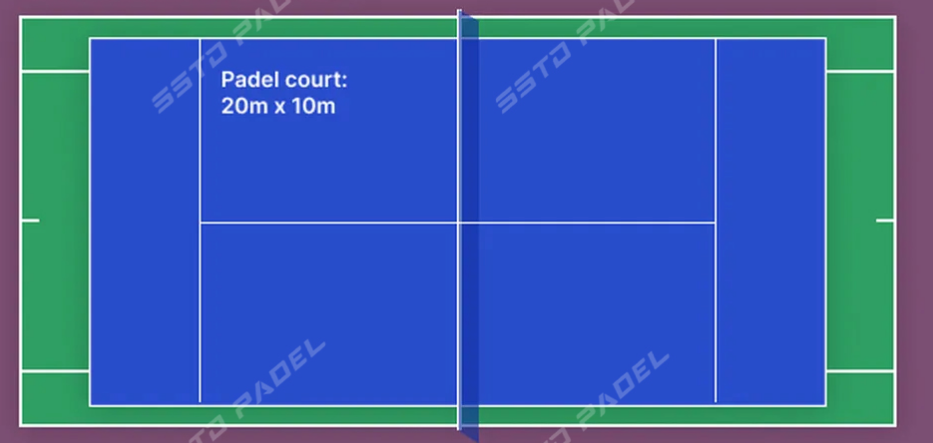
মানক আকার: অভ্যন্তরীণ মাত্রা অবশ্যই হতে হবে 20M (দৈর্ঘ্য)* ১০ মিটার (W) , যেখানে রেখাগুলো স্থির থাকবে 50 মিমি চওড়া।
পৃষ্ঠের সমতলতা: ভিত্তিটি পূর্ণ সমতল হতে হবে, যার সর্বোচ্চ বৈচিত্র্য শুধুমাত্র ±৬ মিমি একটি ৩মি সোজা প্রান্তের নীচে।
১৫-মিনিট জল নিষ্কাশন: ভিত্তিটি দ্রুত নিষ্কাশন ক্ষমতা বিশিষ্ট হতে হবে, যাতে বৃষ্টি থামার পরে 15 মিনিট বৃষ্টি থামার পরে পৃষ্ঠটি সম্পূর্ণরূপে দাঁড়ানো জলমুক্ত হয়ে যায়
টেনিস কোর্ট রূপান্তর: পুরনো টেনিস কোর্টের প্লেটগুলি প্যাডেল এনক্লোজারের ৩.৬-টন লোড বহন করার জন্য নির্মিত নয়
ভারী-দায়িত্বপূর্ণ ইস্পাত: গঠনমূলক ইস্পাত প্রোফাইলগুলি অবশ্যই কমপক্ষে 3 মিমি ঘন
১২ মিমি টেম্পার্ড গ্লাস: বহিরঙ্গন কোর্টগুলির জন্য বাধ্যতামূলক 12 মিমি পুরু টেম্পার্ড নিরাপত্তা গ্লাস (অভ্যন্তরীণ সেটআপগুলি শুধুমাত্র ঝুঁকি মূল্যায়নের পরে 10 মিমি ব্যবহার করতে পারে)।
অ্যান্টি-কলিশন স্ট্রাইপ: দৃশ্যমান নিরাপত্তা মার্কার ( প্রকাশ্য ) প্রয়োগ করতে হবে নীচের অংশ বরাবর এবং ৮৫০ মিমি – ১০০০ মিমি উচ্চতায়, যাতে খেলোয়াড়রা স্বচ্ছ কাচে ধাক্কা না খায়।
ফ্লাশ ওয়েল্ডমেশ: মেশ গ্রিডগুলি হতে হবে 50mm*50mm । মেশের অভ্যন্তরীণ পৃষ্ঠগুলি হতে হবে ১০০% ফ্লাশ (সমতল) কাচের ফ্রেমের সঙ্গে, যাতে বলের অনিয়মিত প্রতিক্ষেপ এবং ত্বকের আঘাত রোধ করা যায়।
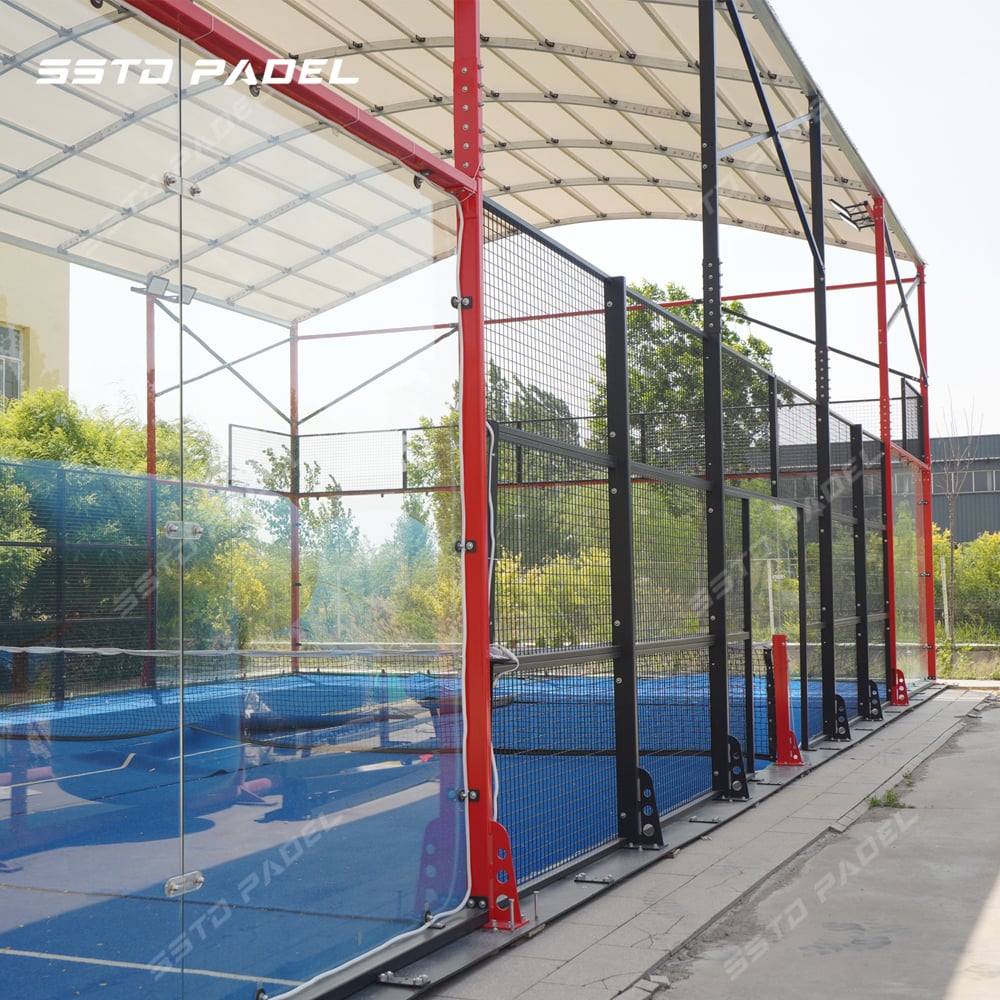
এই বিভাগে সমস্ত আবহাওয়ার জন্য উপযুক্ত আশ্রয় কভারগুলির জন্য নির্দিষ্ট বিশেষায়িত আলোকবৈতারণ নির্দেশিকা, বিদ্যুৎ চাহিদা এবং গঠনমূলক প্রকৌশল অনুপালনের বিষয়ে আলোচনা করা হয়েছে।
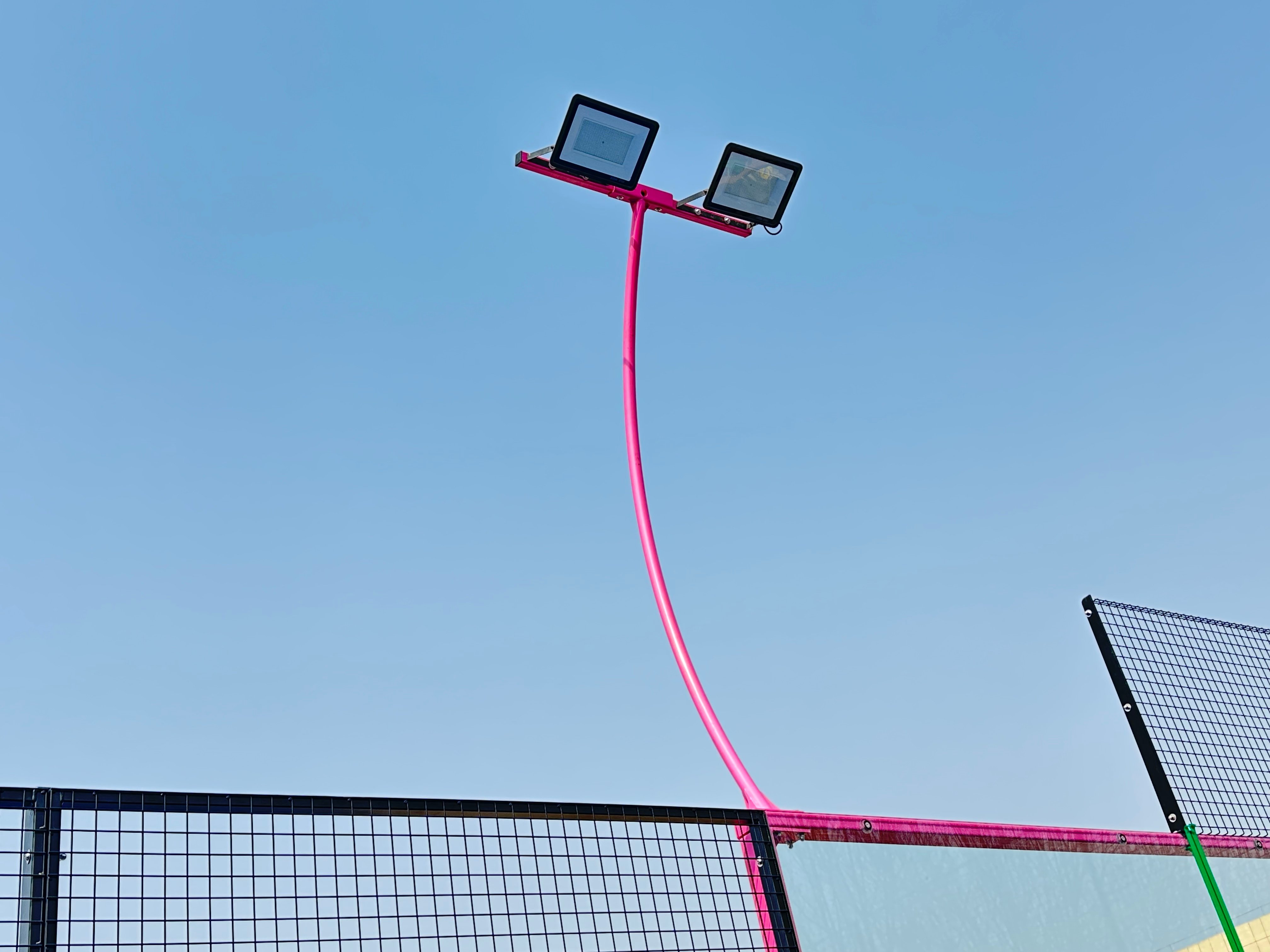
উচ্চতা ও বিন্যাস: ফ্লাডলাইটগুলি সাধারণত ফেন্স পোস্টগুলির সাথে সংযুক্ত এক্সটেনশন পোলের উপর ইনস্টল করা হয়, যা অবস্থিত 4 মিটার পিছনের দেয়াল থেকে (পার্শ্বীয় বিন্যাস)। সমগ্র কোর্ট জুড়ে ন্যূনতম ওভারহেড খালা উচ্চতা হতে হবে ৬.০ মিটার ।
বিদ্যুৎ সরবরাহের প্রয়োজনীয়তা: একটি একক কোর্টের জন্য একক-ফেজ বিদ্যুৎ খরচ সাধারণত নিম্নলিখিত পরিসরে থাকে ১.২ কিলোওয়াট থেকে ২.৪ কিলোওয়াট .
আলোকিত ঘনত্ব ও সমান আলোকিত হওয়ার মানদণ্ড (ভূ-পৃষ্ঠে পরিমাপ করা হয়):
পেশাদার স্তর (জাতীয়/আন্তর্জাতিক ইভেন্ট): গড় আলোকিত ঘনত্ব ≥ ৫০০ লাক্স ; সমান আলোকিত হওয়ার অনুপাত ≥ ০.৭ .
বিনোদনমূলক/বিদ্যালয় স্তর (মানসম্মত অন্তরীণ খেলার অন্তর্ভুক্ত): গড় আলোকিত ঘনত্ব ≥ ৩০০ লাক্স ; সমান আলোকিত হওয়ার অনুপাত ≥ ০.৫
দ্রষ্টব্য: প্রাথমিক আলোকবিন্যাসের ডিজাইনে ১০% কার্যকারিতা বাফার অবশ্যই অন্তর্ভুক্ত করতে হবে (০.৯ রক্ষণাবেক্ষণ ফ্যাক্টর প্রয়োগ করে)।
গঠনমূলক নির্বাচন:
মডিউলার গঠন: একটি একক কোর্টকে আচ্ছাদন করে যার ১১-মিটার স্প্যান এবং কেন্দ্রীয় ছাদের শীর্ষ উচ্চতা প্রায় ৮ মিটার .
ক্লিয়ার স্প্যান গঠন: বহুসংখ্যক কোর্টকে একসাথে আচ্ছাদন করার জন্য ডিজাইন করা একটি বৃহৎ-স্প্যান ওভারার্চিং ফ্রেমওয়ার্ক।
উপকরণ: ফ্রেমওয়ার্কগুলি সাধারণত ইস্পাত, অ্যালুমিনিয়াম অথবা গ্লুলাম কাঠ ব্যবহার করে, যা একক বা দ্বৈত-স্তরের টেনসাইল মেমব্রেনের সাথে জোড়া দেওয়া হয়।
ভবন কোড অনুসরণ: গঠনগুলি স্থানীয় জাতীয় ভবন কোড (যেমন যুক্তরাজ্যের ভবন নির্মাণ বিধিমালা । বন্ধ পার্শ্বযুক্ত ক্যানোপিগুলিকে আইনগতভাবে "ভবন" হিসাবে শ্রেণীবদ্ধ করা হয় "ভবন" এবং এতে নির্দিষ্ট জরুরি পলায়ন পথ ও পলায়ন আলোকব্যবস্থা অন্তর্ভুক্ত করতে হবে। সমস্ত গাঠনিক উপাদানের উপর অবশ্যই সিই বা ইউকেসিএ নিরাপত্তা চিহ্ন থাকতে হবে এবং ফ্রেমটি অন্তত ১৫-বছর গাঠনিক ওয়ারান্টি
খেলোয়াড়দের অভিজ্ঞতা ও কোর্টের নিরাপত্তা সর্বোচ্চ করার জন্য উচ্চ-স্তরের পরিকল্পনা টিপস।
কোর্টের অভিমুখ: একটি উত্তর-দক্ষিণ খেলোয়াড়দের সূর্যোদয় ও সূর্যাস্তের সময় আলোর প্রতিফলনের কারণে অন্ধ হওয়া থেকে রক্ষা করতে মাঠের দিকনির্দেশনা অত্যন্ত গুরুত্বপূর্ণ। উত্তর গোলার্ধে অবস্থিত বাণিজ্যিক বহিরঙ্গন ক্লাবগুলির জন্য, একটি উত্তর-পশ্চিম থেকে দক্ষিণ-পূর্ব অক্ষ একটি বিকল্প হিসেবেও গ্রহণযোগ্য, কারণ সন্ধ্যা ও রাতের সময় বুকিংয়ের চাহিদা সকালের চাহিদার তুলনায় অনেক বেশি।
অন্তর্বহিঃস্থ ছাদের উচ্চতা: অন্তর্বহিঃস্থ সুবিধার জন্য ন্যূনতম অনুমোদিত ছাদের উচ্চতা হল ৬ মিটার , যখন আদর্শ ফ্ল্যাগশিপ উচ্চতা হল 10 মিটার উচ্চ লব খেলার জন্য উপযুক্ত করার জন্য।
পলায়নকারী বল রোধ করা: প্যাডেল র্যালিগুলিতে প্রায়শই বলগুলি মাঠের গঠন থেকে বেরিয়ে যায়। পলায়নকারী বলগুলি যাতে পাশের খেলাগুলিকে অবিরামভাবে বিঘ্নিত না করে, তার জন্য উচ্চ-শক্তির নিরাপত্তা জাল কোর্টের পরিধি এবং ওভারহেড অঞ্চলের চারপাশে ইনস্টল করতে হবে।
দলান ও উদ্ভিদ এড়ানো: বড় গাছের ঠিক নীচে বাইরের কোর্ট নির্মাণ এড়ানো উচিত। আর্দ্র জলবায়ুতে পড়ে যাওয়া পাতা এবং জৈব দলান পৃষ্ঠে কাদা তৈরি করে, যা কৃত্রিম ঘাসকে পিচ্ছিল করে তোলে, কার্পেটে দাগ ফেলে এবং ড্রেনেজ চ্যানেলগুলি বন্ধ করে দেয়।
সুবিধার আয়ুকাল বৃদ্ধি করা এবং সর্বোচ্চ কার্যকারিতা নিশ্চিত করার জন্য একটি পদ্ধতিগত পদ্ধতি।
দৈনিক/সাপ্তাহিক রক্ষণাবেক্ষণ (কৃত্রিম ঘাস): দ্রুত আবর্জনা, কাঠের ডালপালা এবং পাতা সরিয়ে ফেলুন। কৃত্রিম তন্তুগুলিকে সোজা রাখতে নিয়মিত মাঝারি-কঠিন নাইলন ঝাঁট দিয়ে ঘাসের বিপরীত দিকে ঝাঁট দিন। একই সময়ে, বিশেষায়িত কোয়ার্টজ বালু (যেমন MONDO কার্লড টার্ফ ইনফিল বালু ) কোণগুলি থেকে শুরু করে খেলার অঞ্চল জুড়ে সমানভাবে পুনর্বিতরণ করুন এবং প্রয়োজন হলে নতুন বালু যোগ করুন।
মাসিক রক্ষণাবেক্ষণ (ইস্পাত কাঠামো ও টর্ক): প্রতি মাসে, এবং প্রবল বাত্যা ঝড়ের পরে তৎক্ষণাৎ, কলামের ভিত্তির অ্যাঙ্কর বোল্ট এবং সমস্ত গাঠনিক স্ক্রুগুলির একটি বিস্তারিত পরীক্ষা-নিরীক্ষা করুন যাতে সঠিক হওয়া নিশ্চিত করা যায় টর্ক আবদ্ধকরণ যদি পৃষ্ঠের ফিনিশে কোনো আঁচড় বা মরিচের দাগ দেখা দেয়, তবে তৎক্ষণাৎ সেগুলি খেয়াল করে ঘষে ফেলুন এবং মূল কারখানার মিলের RAL-রংয়ের সাথে মিল রাখা পেইন্ট দিয়ে সংশোধন করুন।
মাসিক রক্ষণাবেক্ষণ (কাচের প্যানেলের ফাঁক): টেম্পার্ড কাচ পরিবেশগত তাপমাত্রার পরিবর্তনের সাথে সম্প্রসারিত ও সংকুচিত হয়। কাচের প্যানেলগুলির মধ্যে ইনস্টলেশন ফাঁকটি সর্বদা ৩ মিমি থেকে ৬ মিমি এর মধ্যে বজায় রাখতে হবে। ৩ মিমি-এর কম ফাঁক কাচের প্যানেলগুলিকে পরস্পরের বিরুদ্ধে চূর্ণ করে দিতে পারে এবং ভাঙিয়ে দিতে পারে, অন্যদিকে ৬ মিমি-এর বেশি ফাঁক খেলোয়াড়দের আঙুল আটকে যাওয়ার ঝুঁকি তৈরি করে এবং বলের প্রতিক্ষেপণ পথে পরিবর্তন আনতে পারে।
বার্ষিক রক্ষণাবেক্ষণ (আলোকসজ্জা ও জল নিষ্কাশন): ফ্লাডলাইটের লেন্সগুলি বার্ষিকভাবে পরিষ্কার করুন এবং আলোক প্রক্ষেপণের কোণগুলি যেন বিচ্যুত না হয় তা যাচাই করুন। ঝড়ের জল ফিরে আসা এবং কোর্টে জল জমা হওয়া প্রতিরোধের জন্য ভবনের সমস্ত গাটার, ডাউনস্পাউট এবং কোর্টের বাইরের পরিধির জল নিষ্কাশন চ্যানেলগুলি অন্তত বার্ষিকভাবে পরিষ্কার করুন।
 EN
EN