 EN
EN


The surge in padel popularity across the globe has created unprecedented demand for high-quality playing surfaces that can withstand intensive daily use. Club owners face significant challenges when selecting a padel court that balances initial investment with long-term durability, making the choice of manufacturer crucial for operational success. Modern padel facilities require surfaces that maintain consistent playing characteristics while resisting wear from thousands of games annually, demanding innovative approaches to construction and materials science.
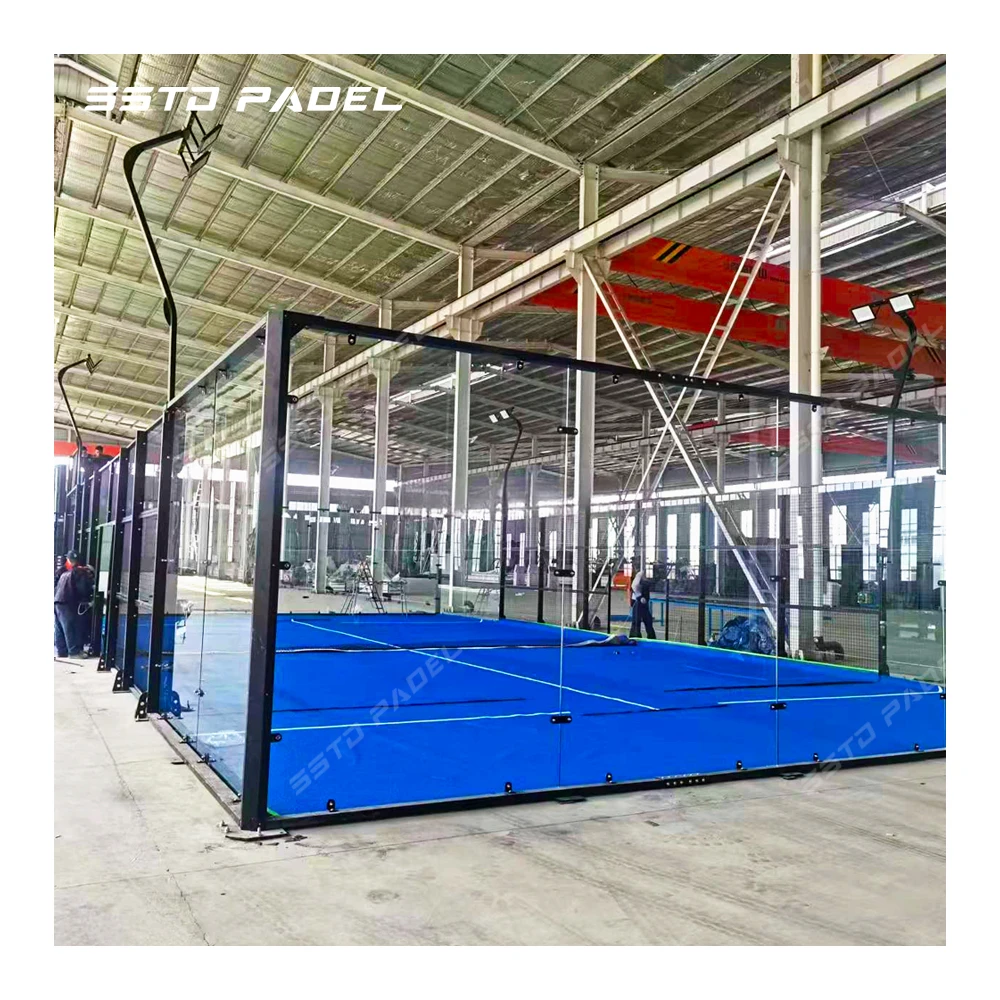
Professional padel court manufacturers understand that durability extends far beyond surface materials, encompassing structural integrity, drainage systems, and environmental resistance. The investment in a premium padel court represents a significant capital expenditure for clubs, making longevity a primary concern that directly impacts profitability and member satisfaction. Advanced manufacturing techniques now enable the creation of playing surfaces that can handle extreme weather conditions, heavy foot traffic, and continuous ball impact without compromising performance standards.
Advanced Surface Technologies for Enhanced Longevity
Synthetic Turf Innovation
Modern padel court manufacturers have revolutionized synthetic turf technology by developing specialized fiber compositions that resist UV degradation and maintain optimal ball bounce characteristics over extended periods. These advanced synthetic surfaces incorporate memory foam backing systems that provide consistent cushioning while preventing premature wear patterns that traditionally plague high-traffic areas. The integration of antimicrobial treatments within the turf fibers ensures hygienic playing conditions while extending the overall lifespan of the padel court surface.
Temperature resistance has become a critical factor in padel court durability, with manufacturers now utilizing polymer blends that maintain flexibility in extreme cold while preventing softening in intense heat. The latest synthetic turf systems feature enhanced drainage capabilities through perforated backing materials that prevent water accumulation and reduce the risk of surface deterioration from freeze-thaw cycles. Professional-grade infill systems now incorporate recycled rubber compounds that provide superior shock absorption while maintaining dimensional stability throughout seasonal temperature variations.
Acrylic Coating Systems
Premium acrylic coating systems represent the gold standard for padel court durability, offering superior resistance to abrasion, weathering, and chemical exposure compared to traditional surface treatments. These multi-layer systems typically consist of a primer coat that bonds directly to the concrete substrate, followed by multiple texture coats that provide the ideal playing surface characteristics. The final color coat incorporates advanced UV inhibitors that prevent fading while maintaining the vibrant appearance that enhances the overall aesthetic appeal of the facility.
Crack-bridging technology embedded within modern acrylic systems allows the surface to accommodate minor substrate movement without developing visible damage that could compromise playing conditions. Manufacturers now formulate these coatings with specialized polymers that maintain elasticity over time, preventing the brittle failure modes that historically plagued older acrylic systems. The incorporation of anti-slip additives ensures consistent traction characteristics throughout the life of the padel court, maintaining player safety while preserving surface integrity.
Structural Engineering for Long-Term Performance
Foundation Design Optimization
The foundation represents the most critical component of any durable padel court, requiring precise engineering to accommodate soil conditions, drainage requirements, and thermal expansion characteristics. Modern manufacturers employ geotechnical analysis to determine optimal foundation depths and reinforcement patterns that prevent settling and cracking over decades of use. Advanced concrete formulations now incorporate fiber reinforcement and specialized additives that enhance tensile strength while reducing permeability to moisture infiltration.
Post-tensioned concrete systems have emerged as the preferred foundation solution for premium padel court installations, providing superior crack resistance and dimensional stability compared to conventional reinforced concrete. These systems utilize high-strength steel cables that apply continuous compression to the concrete slab, effectively preventing the formation of structural cracks that could compromise surface integrity. The integration of vapor barriers and moisture control systems beneath the foundation prevents soil moisture from affecting the concrete while maintaining optimal playing surface conditions.
Wall System Integration
Durable padel court installations require carefully engineered wall systems that can withstand thousands of ball impacts while maintaining structural integrity and aesthetic appeal. Modern manufacturers utilize tempered glass panels with specialized mounting systems that distribute impact forces across the entire wall structure, preventing localized stress concentrations that could lead to premature failure. The integration of flexible sealant systems between glass panels accommodates thermal expansion while maintaining weatherproof seals that protect the underlying structure.
Metal mesh sections require corrosion-resistant coatings and galvanized steel construction to maintain durability in outdoor installations exposed to moisture and temperature variations. Advanced powder coating systems provide superior adhesion and impact resistance compared to traditional paint systems, maintaining appearance and structural integrity over extended service periods. The connection details between wall segments utilize engineered fastening systems that accommodate thermal movement while preventing water infiltration that could compromise the padel court structure.
Environmental Resistance and Climate Adaptation
Weather Protection Systems
Climate resilience has become a fundamental requirement for modern padel court installations, with manufacturers developing specialized systems that maintain performance characteristics across diverse environmental conditions. UV protection systems now incorporate multiple layers of defense, including UV-stable materials, reflective coatings, and shade structures that minimize thermal stress on the playing surface. Advanced drainage systems feature oversized piping and multiple outlet points that handle extreme precipitation events without creating standing water that could damage the padel court surface.
Wind resistance calculations now inform the design of wall systems and overhead structures, ensuring that the padel court can withstand extreme weather events without suffering structural damage. Manufacturers utilize computer modeling to optimize structural member sizing and connection details that provide adequate safety margins while minimizing material costs. The integration of expansion joints at strategic locations allows the structure to accommodate thermal movement without developing stress concentrations that could compromise long-term durability.
Maintenance Accessibility
Designing padel court systems with maintenance accessibility in mind significantly extends service life while reducing long-term operating costs for club owners. Modern installations incorporate removable panel systems that provide access to drainage components, electrical systems, and structural elements without requiring major reconstruction. Surface renewal systems allow periodic resurfacing without disturbing the underlying structure, enabling clubs to maintain optimal playing conditions while preserving their capital investment.
Preventive maintenance programs developed by leading manufacturers provide detailed schedules for inspection and servicing that maximize the lifespan of every padel court component. These programs typically include surface cleaning protocols, drainage system maintenance, wall system inspection, and structural monitoring that identify potential issues before they develop into costly repairs. The availability of replacement parts and technical support ensures that clubs can maintain their facilities at peak performance levels throughout the design life of the installation.
Quality Control and Manufacturing Standards
Material Certification Processes
Leading padel court manufacturers implement comprehensive quality control systems that ensure every component meets or exceeds industry standards for durability and performance. These processes typically include third-party testing of raw materials, intermediate quality checks during manufacturing, and final inspection before shipment to installation sites. Material traceability systems enable manufacturers to track the source and performance characteristics of every component used in padel court construction, facilitating rapid identification and correction of any quality issues.
Accelerated aging tests simulate years of environmental exposure in controlled laboratory conditions, allowing manufacturers to validate the long-term performance of new materials and construction techniques before introducing them to commercial installations. These testing protocols evaluate UV resistance, thermal cycling performance, moisture absorption characteristics, and mechanical property retention under simulated service conditions. The results inform material selection decisions and warranty coverage that provides clubs with confidence in their padel court investment.
Installation Quality Assurance
Proper installation techniques represent a critical factor in achieving the full durability potential of any padel court system, requiring specialized training and certification programs for installation contractors. Manufacturer-supervised installation programs ensure that every aspect of construction meets specified tolerances and quality standards that maximize service life. Quality assurance protocols include substrate preparation verification, material application monitoring, and final performance testing that validates proper installation of every padel court component.
Documentation systems track installation progress and quality metrics that provide valuable feedback for continuous improvement of construction techniques and materials. Digital monitoring systems can now track installation parameters in real-time, ensuring optimal curing conditions for surface materials and proper execution of critical construction details. Post-installation monitoring programs track performance characteristics over time, providing data that informs future design improvements and warranty coverage decisions.
Innovation in Sustainable Durability
Eco-Friendly Material Solutions
Environmental sustainability has become increasingly important in padel court design, with manufacturers developing durable materials from recycled content that maintain superior performance characteristics. Recycled rubber infill systems provide excellent shock absorption and durability while diverting waste materials from landfills, creating a sustainable solution that benefits both club operators and the environment. Advanced polymer recycling techniques now enable the production of synthetic turf fibers from post-consumer plastic waste without compromising the durability or playing characteristics of the padel court surface.
Energy-efficient manufacturing processes reduce the environmental impact of padel court production while maintaining the quality standards required for long-term durability. Solar-powered manufacturing facilities and closed-loop water systems minimize resource consumption while producing surfaces that can withstand decades of intensive use. The development of bio-based polymer systems offers the potential for completely renewable padel court materials that provide superior durability compared to traditional petroleum-based products.
Smart Technology Integration
Internet of Things (IoT) sensors embedded within modern padel court systems provide real-time monitoring of surface conditions, structural integrity, and environmental parameters that affect long-term durability. These systems can detect moisture infiltration, temperature extremes, and structural movement that could compromise performance, enabling proactive maintenance that prevents costly repairs. Data analytics platforms process sensor information to predict maintenance requirements and optimize facility operations while extending the service life of every padel court component.
Automated lighting and climate control systems reduce energy consumption while maintaining optimal playing conditions that preserve surface integrity and player comfort. Smart irrigation systems for synthetic turf installations monitor soil moisture and weather conditions to provide precise water application that maintains turf performance while preventing overwatering that could damage the padel court foundation. These technological innovations represent the future of durable padel court design, combining sustainability with performance optimization.
Cost-Benefit Analysis of Premium Durability
Lifecycle Cost Considerations
While premium padel court systems require higher initial investment, the total cost of ownership typically proves lower than budget alternatives due to reduced maintenance requirements and extended service life. Comprehensive lifecycle cost analysis should include initial construction costs, routine maintenance expenses, major renovation requirements, and end-of-life disposal costs to accurately compare different durability options. Premium materials and construction techniques often provide payback periods of five to seven years through reduced maintenance costs and extended replacement intervals.
Energy efficiency improvements in modern padel court systems contribute significantly to operating cost reduction while enhancing durability through reduced thermal stress on structural components. LED lighting systems, improved insulation, and smart environmental controls can reduce utility costs by thirty to fifty percent compared to conventional installations. The integration of renewable energy systems further reduces operating expenses while demonstrating environmental responsibility that attracts environmentally conscious members to padel facilities.
Revenue Enhancement Through Quality
Superior padel court conditions directly impact member satisfaction and retention, enabling clubs to maintain premium pricing while reducing marketing costs associated with member acquisition. Consistently excellent playing surfaces eliminate the frustration and potential injuries associated with deteriorated courts, creating positive experiences that generate word-of-mouth referrals and repeat business. Tournament hosting capabilities require courts that meet international standards for surface consistency and visual appearance, creating additional revenue opportunities for facilities with premium installations.
Professional instruction programs and competitive leagues require reliable playing surfaces that maintain consistent characteristics throughout their service life, enabling clubs to develop long-term revenue streams that justify investment in superior durability. The ability to market facilities as premium venues with championship-quality playing surfaces supports higher membership fees and court rental rates that improve overall profitability. Brand association with quality facilities enhances the reputation of padel programs while attracting sponsors and corporate partners that provide additional revenue opportunities.
FAQ
What is the typical lifespan of a professionally constructed padel court?
A professionally constructed padel court with premium materials and proper installation typically provides 15 to 25 years of service life with routine maintenance. Synthetic turf systems may require replacement every 8 to 12 years, while acrylic surfaces can last 10 to 15 years before requiring renewal. The structural components, including concrete foundations and wall systems, are designed for 25 to 30 years of service with periodic maintenance and component replacement as needed.
How does climate affect padel court durability and what design considerations address these challenges?
Climate factors including temperature extremes, UV exposure, precipitation, and humidity significantly impact padel court durability and require specific design adaptations. UV-resistant materials and coatings prevent degradation from sun exposure, while proper drainage systems manage moisture infiltration and prevent freeze-thaw damage. Thermal expansion joints accommodate temperature-related movement, and material selection considers local climate conditions to ensure optimal performance throughout seasonal variations.
What maintenance activities are most critical for preserving padel court durability?
Critical maintenance activities include regular surface cleaning to remove debris and prevent abrasive wear, periodic inspection of drainage systems to ensure proper water management, and monitoring of wall systems for damage or loose components. Surface renewal every 3 to 5 years maintains optimal playing characteristics while protecting the underlying structure. Prompt repair of minor damage prevents small issues from developing into major problems that could compromise the entire padel court system.
How do installation quality and contractor selection affect long-term durability?
Installation quality represents the most critical factor in achieving design durability, with improper construction techniques capable of reducing service life by fifty percent or more regardless of material quality. Contractor selection should prioritize experience with padel court installations, manufacturer certification, and demonstrated quality control systems. Proper substrate preparation, material application techniques, and attention to construction details determine whether the installation will achieve its full durability potential over decades of service.
Table of Contents
- Advanced Surface Technologies for Enhanced Longevity
- Structural Engineering for Long-Term Performance
- Environmental Resistance and Climate Adaptation
- Quality Control and Manufacturing Standards
- Innovation in Sustainable Durability
- Cost-Benefit Analysis of Premium Durability
-
FAQ
- What is the typical lifespan of a professionally constructed padel court?
- How does climate affect padel court durability and what design considerations address these challenges?
- What maintenance activities are most critical for preserving padel court durability?
- How do installation quality and contractor selection affect long-term durability?