 EN
EN

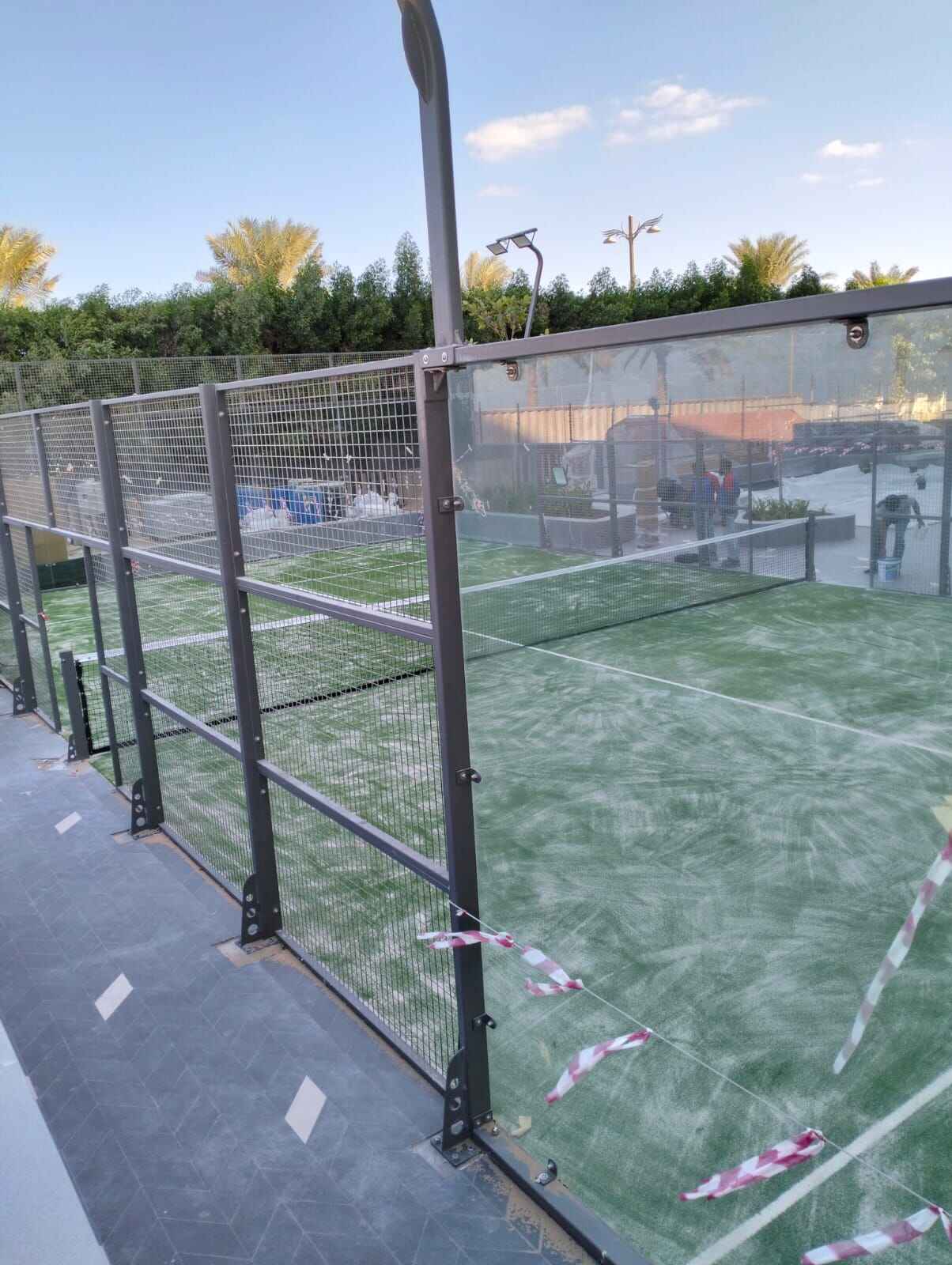
The rapid expansion of padel sports across global markets has created unprecedented investment opportunities for forward-thinking entrepreneurs and facility developers. Understanding the critical factors involved in constructing a professional padel court requires careful analysis of market dynamics, construction requirements, and long-term profitability considerations. Successful padel court investments demand comprehensive planning that encompasses everything from site selection to ongoing operational strategies, making it essential for potential investors to approach this growing market with well-informed decision-making processes.
Market Analysis and Investment Potential
Current Market Growth Trends
The global padel market has experienced remarkable growth rates exceeding 15% annually in many regions, particularly across Europe, Latin America, and emerging markets in North America and Asia. This expansion creates significant opportunities for investors considering padel court development projects. Market research indicates that padel facilities generate higher revenue per square meter compared to traditional tennis courts, primarily due to increased player capacity and shorter game durations that allow for more bookings per day.
Professional padel court facilities typically achieve occupancy rates between 70-85% during peak hours when properly managed and marketed. The sport's accessibility appeals to diverse demographics, including recreational players, competitive athletes, and corporate groups seeking team-building activities. This broad market appeal contributes to consistent revenue streams and reduced seasonal fluctuations compared to other racquet sports facilities.
Revenue Generation Models
Successful padel court investments incorporate multiple revenue streams beyond basic court rentals. Premium facilities generate income through coaching programs, equipment sales, tournament hosting, corporate events, and food and beverage services. Many operators implement membership models that provide predictable monthly revenue while building customer loyalty and community engagement around their padel court facilities.
The average hourly rental rate for a quality padel court ranges from $40-80 depending on location, facility amenities, and market positioning. Peak-hour pricing strategies can increase revenue by 25-40% during high-demand periods. Professional tournament hosting and league organization create additional income opportunities while establishing facility reputation within the padel community.
Site Selection and Location Considerations
Geographic and Demographic Factors
Optimal padel court locations require careful analysis of population density, income levels, and existing recreational facility competition. Urban and suburban areas with affluent demographics typically provide the strongest customer bases for padel court investments. Proximity to residential communities, business districts, and educational institutions enhances accessibility and supports consistent utilization patterns throughout different times of day.
Climate considerations significantly impact padel court design and operational costs. Regions with mild temperatures year-round benefit from outdoor court configurations, while areas with harsh winters may require covered or indoor facilities. The choice between indoor and outdoor padel court construction affects initial investment costs, ongoing maintenance expenses, and seasonal revenue potential.
Infrastructure and Accessibility Requirements
Professional padel court facilities require adequate parking, public transportation access, and supporting infrastructure to ensure customer convenience and satisfaction. Site evaluation should include utility availability, drainage considerations, and local zoning regulations that may impact construction timelines and operational permits. Proper lighting, security systems, and landscaping contribute to facility appeal and safety standards.
The physical space requirements for a single padel court measure 20 meters by 10 meters, with additional space needed for safety zones, spectator areas, and facility amenities. Multi-court complexes benefit from economies of scale in construction costs and operational efficiency while providing scheduling flexibility during maintenance periods.
Construction Costs and Technical Specifications
Initial Capital Investment Requirements
Professional padel court construction costs vary significantly based on location, quality specifications, and site preparation requirements. Basic outdoor padel court installation typically ranges from $25,000-45,000 per court, while premium indoor facilities with climate control and advanced amenities can exceed $80,000-120,000 per court. These figures include court surface preparation, glass wall installation, lighting systems, and basic infrastructure development.
Additional facility development costs encompass parking areas, changing rooms, reception areas, equipment storage, and landscaping. Professional padel court projects require contingency budgets of 15-20% to address unexpected site conditions, permit delays, and construction modifications. Financing options include traditional commercial loans, equipment leasing, and partnership structures that distribute initial capital requirements among multiple investors.
Quality Standards and Material Selection
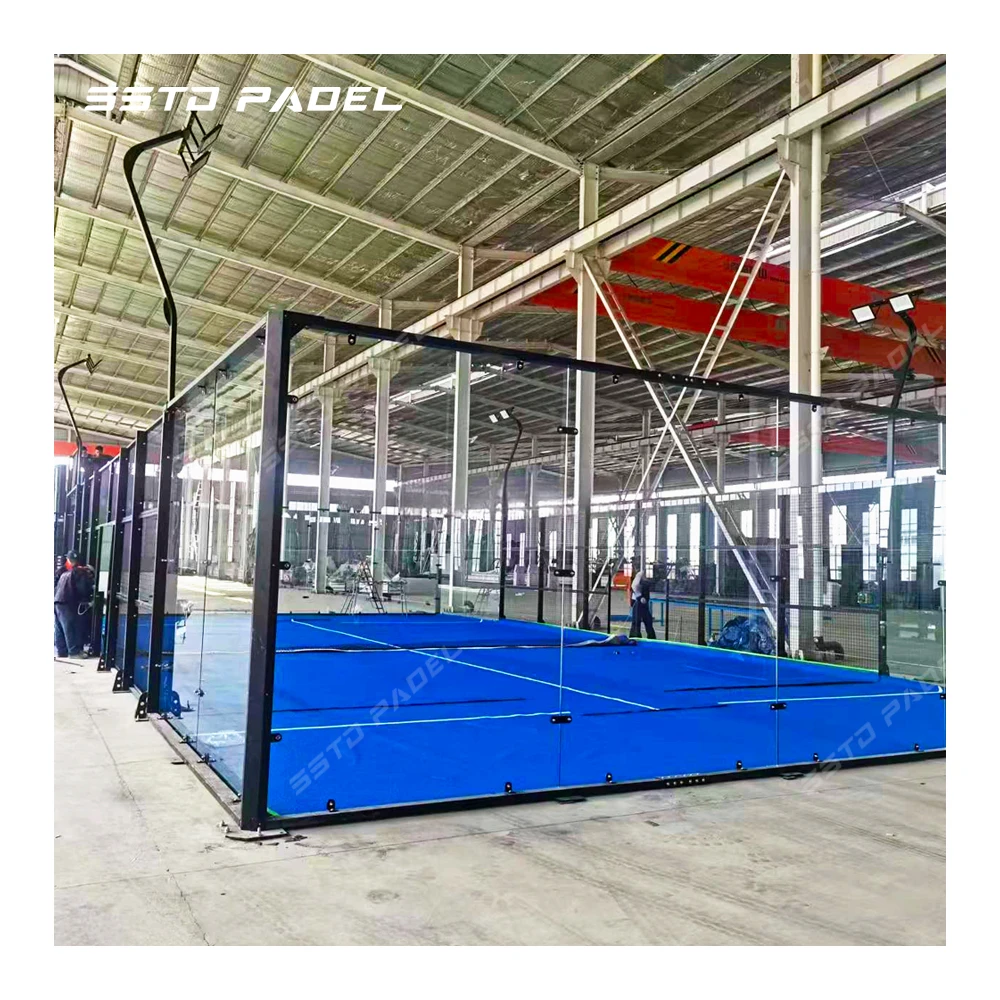
High-quality padel court construction utilizes tempered glass walls meeting international safety standards, artificial turf surfaces designed for optimal ball bounce and player safety, and professional-grade lighting systems that eliminate shadows and provide consistent illumination. Premium materials ensure durability, reduce maintenance costs, and enhance player experience, contributing to customer retention and positive facility reputation.
Professional padel court surfaces require specific sand infill systems that maintain proper ball bounce characteristics and provide adequate traction for player safety. Drainage systems must handle heavy rainfall and facilitate rapid court drying to minimize booking cancellations. Quality construction standards directly impact long-term operational costs and facility competitiveness within local markets.
Operational Considerations and Management Strategies
Staffing and Training Requirements
Successful padel court operations require trained staff capable of managing bookings, maintaining facilities, and providing customer service that encourages repeat visits and positive referrals. Professional coaching staff can generate additional revenue while building community engagement around the padel court facility. Staff training should cover safety protocols, equipment maintenance, and customer relationship management to ensure consistent service quality.
Facility managers must understand padel court maintenance schedules, cleaning requirements, and equipment replacement cycles to maintain optimal playing conditions. Regular surface brushing, sand level monitoring, and glass cleaning contribute to player safety and satisfaction. Preventive maintenance programs reduce emergency repair costs and extend facility lifespan, protecting long-term investment returns.
Technology Integration and Booking Systems
Modern padel court facilities benefit from integrated booking systems that allow online reservations, payment processing, and customer communication through mobile applications and web platforms. Automated lighting and access control systems reduce operational overhead while providing convenient customer experiences. Point-of-sale systems should integrate with inventory management for equipment sales and food service operations.
Customer relationship management systems help track player preferences, booking patterns, and revenue per customer to inform marketing strategies and facility improvements. Social media integration and digital marketing tools support community building and customer acquisition efforts that drive consistent padel court utilization and revenue growth.
Financial Projections and Return on Investment
Revenue Forecasting Models
Professional padel court facilities typically achieve break-even within 18-36 months depending on market conditions, facility size, and operational efficiency. Revenue projections should account for seasonal variations, competitive pressures, and market maturation cycles that may affect pricing and utilization rates over time. Conservative forecasting models help ensure realistic expectations and adequate cash flow planning during facility startup periods.
Successful padel court investments often generate returns of 15-25% annually once established, with premium facilities in optimal locations achieving higher returns through diversified revenue streams and premium pricing strategies. Market analysis should include competitor pricing, local economic conditions, and growth projections for the padel sports segment within the target geographic area.
Risk Assessment and Mitigation Strategies
Investment risks include market saturation, economic downturns, seasonal weather impacts, and competitive pressures from new padel court developments or alternative recreational activities. Diversification strategies such as offering multiple sports, hosting corporate events, and developing membership programs help reduce revenue volatility and improve financial stability during challenging market conditions.
Insurance considerations for padel court facilities include liability coverage, property protection, and business interruption policies that protect against weather-related closures or equipment failures. Professional legal and financial consultation helps ensure compliance with local regulations and optimize tax strategies for padel court investment structures.
FAQ
What is the average payback period for a padel court investment?
Most professional padel court investments achieve full payback within 3-5 years, depending on initial construction costs, operational efficiency, and local market conditions. Facilities with multiple courts, diversified revenue streams, and premium locations often achieve faster payback periods due to economies of scale and higher utilization rates.
How much space is required for a complete padel court facility?
A single padel court requires approximately 400 square meters including the playing area and safety zones, while complete facilities with parking, amenities, and spectator areas typically need 800-1200 square meters per court. Multi-court complexes benefit from shared infrastructure and common areas that reduce space requirements per individual court.
What ongoing maintenance costs should investors expect for padel court facilities?
Annual maintenance costs for professional padel court facilities typically range from 8-15% of gross revenue, covering surface care, glass cleaning, lighting replacement, and general facility upkeep. Preventive maintenance programs and quality initial construction help minimize unexpected repair expenses and extend facility lifespan.
Are there financing options specifically available for padel court construction projects?
Many commercial lenders offer specialized financing for recreational facility development, including padel court projects. Equipment leasing, SBA loans, and private investment partnerships provide various financing structures that can reduce initial capital requirements and improve project feasibility for qualified investors with solid business plans.
Table of Contents
- Market Analysis and Investment Potential
- Site Selection and Location Considerations
- Construction Costs and Technical Specifications
- Operational Considerations and Management Strategies
- Financial Projections and Return on Investment
-
FAQ
- What is the average payback period for a padel court investment?
- How much space is required for a complete padel court facility?
- What ongoing maintenance costs should investors expect for padel court facilities?
- Are there financing options specifically available for padel court construction projects?