 EN
EN

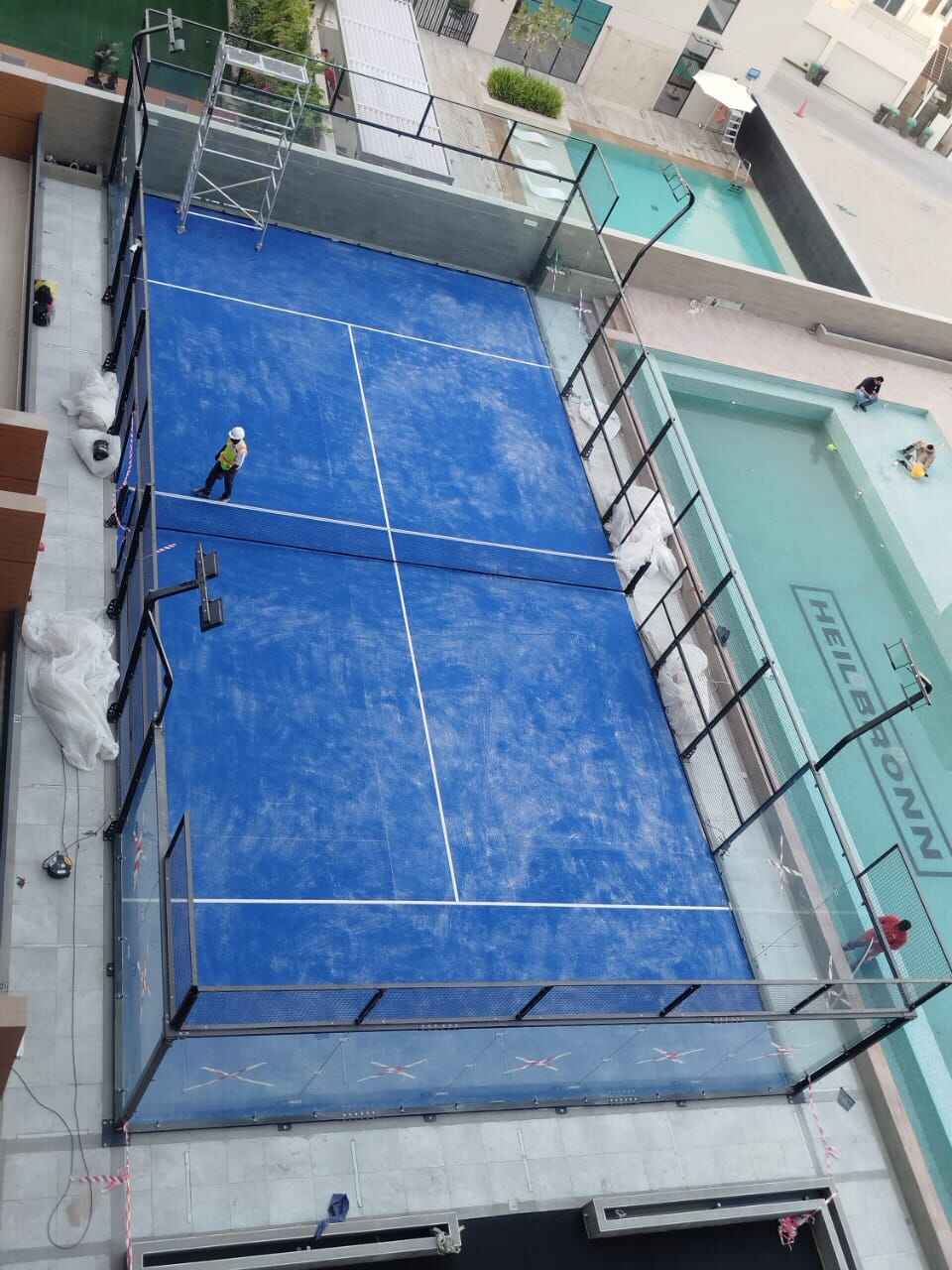
The selection of appropriate court surfaces represents a fundamental decision that significantly impacts the overall performance and longevity of any padel court installation. Professional facility operators, sports center managers, and recreational club owners must carefully evaluate surface materials to ensure optimal playing conditions, player safety, and long-term operational efficiency. Understanding how different surface characteristics influence ball bounce, player movement, maintenance requirements, and overall game quality enables informed decision-making that maximizes investment returns while delivering exceptional playing experiences.
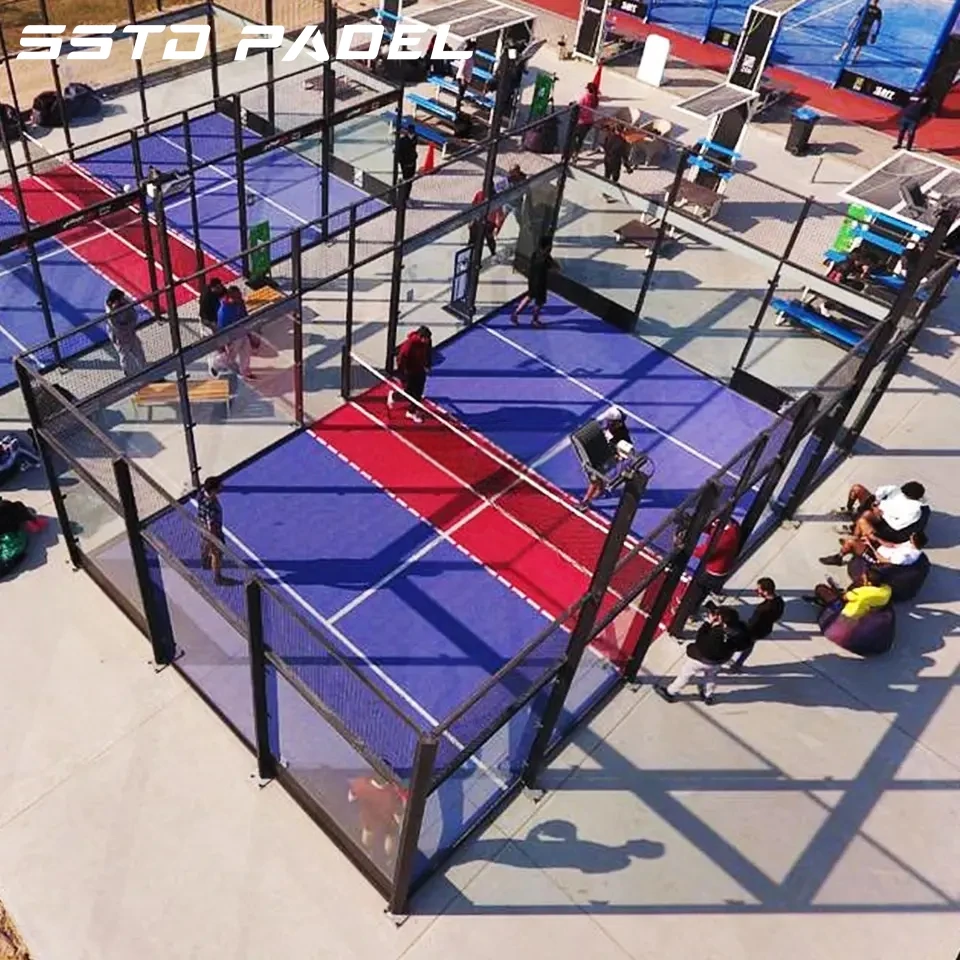
Modern padel court construction incorporates advanced surface technologies that balance performance characteristics with durability requirements. Surface selection directly affects ball speed, bounce consistency, player traction, and injury prevention capabilities. Professional-grade installations demand surfaces that maintain consistent playing conditions across varying weather conditions while minimizing maintenance overhead and extending operational lifespan.
Surface Material Technologies and Performance Characteristics
Synthetic Turf Systems for Enhanced Gameplay
Synthetic turf surfaces have revolutionized padel court performance by providing consistent ball bounce characteristics and superior player comfort. These engineered surfaces utilize specialized fibers and infill materials that replicate natural grass playing conditions while eliminating weather-related variations. High-quality synthetic turf systems maintain uniform ball speed across the entire playing area, enabling players to develop consistent techniques and strategies.
The fiber construction and density of synthetic turf directly influence ball interaction patterns on the padel court surface. Shorter, denser fibers typically provide faster ball speeds and lower bounce heights, while longer fibers create slower playing conditions with increased ball control opportunities. Professional installations often incorporate multi-layer construction techniques that combine different fiber types to achieve optimal performance balance.
Advanced infill technologies enhance synthetic turf performance by providing shock absorption, temperature regulation, and moisture management capabilities. Specialized rubber granules, sand mixtures, and organic materials create stable playing surfaces that reduce player fatigue and injury risk while maintaining consistent ball bounce characteristics throughout extended playing sessions.
Hard Court Surface Applications
Hard court surfaces offer distinct advantages for padel court installations requiring minimal maintenance and maximum durability. These surfaces typically feature acrylic or polyurethane coatings applied over concrete or asphalt substrates, creating smooth, consistent playing areas that deliver predictable ball behavior and excellent player traction.
Professional hard court systems incorporate multiple coating layers that provide specific performance characteristics. Base coats establish adhesion and fill surface imperfections, while intermediate layers add cushioning and color properties. Top coats deliver the final playing surface with appropriate texture for optimal ball bounce and player movement patterns.
Temperature resistance and UV stability represent critical factors in hard court surface selection for outdoor padel court installations. Premium coating systems maintain color consistency and surface integrity despite exposure to extreme weather conditions, ensuring long-term performance reliability and visual appeal.
Impact of Surface Selection on Game Dynamics
Ball Bounce Consistency and Speed Control
Surface selection fundamentally determines ball bounce characteristics that define playing strategy and game flow in padel court environments. Different materials create varying levels of ball speed and bounce height, directly influencing player positioning, shot selection, and overall game dynamics. Consistent bounce patterns enable players to develop reliable techniques and anticipate ball behavior during competitive play.
Professional padel court surfaces maintain bounce consistency across the entire playing area, eliminating dead spots or irregular behavior that could compromise game quality. Surface uniformity ensures fair competition conditions and reduces the likelihood of unpredictable ball movements that might influence match outcomes.
The relationship between surface hardness and ball compression affects energy transfer during ball impact, creating distinct playing characteristics. Softer surfaces absorb more energy, resulting in slower ball speeds and higher bounce angles, while harder surfaces promote faster gameplay with lower bounce trajectories.
Player Movement and Safety Considerations
Surface traction properties significantly impact player movement patterns, injury prevention, and overall comfort during extended playing sessions. Appropriate grip levels enable confident directional changes, aggressive shot-making, and defensive positioning without compromising stability or increasing slip risk.
Shock absorption capabilities built into modern padel court surfaces reduce joint stress and muscle fatigue during intensive gameplay. Multi-layer construction systems incorporate cushioning materials that provide energy return while maintaining surface stability and ball bounce consistency.
Temperature management features help regulate surface heat buildup during hot weather conditions, improving player comfort and reducing heat-related performance degradation. Reflective coatings and specialized materials minimize heat absorption while maintaining appropriate surface temperatures for safe play.
Maintenance Requirements and Operational Considerations
Long-term Durability and Cost Management
Surface selection directly impacts maintenance schedules, operational costs, and replacement timelines for padel court installations. Durable materials reduce routine maintenance requirements while extending service life, creating significant cost savings over the facility's operational lifespan.
Weather resistance capabilities determine how well surfaces withstand environmental challenges including UV exposure, temperature fluctuations, moisture penetration, and chemical exposure from cleaning products. Premium surfaces maintain performance characteristics and visual appearance despite prolonged exposure to harsh conditions.
Maintenance accessibility affects ongoing operational efficiency and cost control. Surfaces that allow simple cleaning procedures, repair techniques, and component replacement minimize facility downtime and reduce specialized maintenance requirements.
Environmental Impact and Sustainability
Modern padel court surface technologies increasingly incorporate sustainable materials and manufacturing processes that reduce environmental impact while maintaining performance standards. Recycled content, bio-based materials, and end-of-life recyclability represent important considerations for environmentally conscious facility operators.
Water management capabilities built into surface systems help minimize irrigation requirements and reduce runoff issues. Permeable surfaces and integrated drainage systems contribute to sustainable water usage while maintaining playing condition quality.
Energy efficiency considerations include surface reflectivity, heat absorption properties, and cooling requirements that influence facility operational costs. Light-colored surfaces and specialized coatings can significantly reduce cooling loads in indoor installations.
Professional Installation and Quality Assurance
Construction Standards and Specifications
Professional padel court surface installation requires adherence to international standards and manufacturer specifications to ensure optimal performance and longevity. Proper substrate preparation, material application techniques, and quality control procedures directly influence final surface characteristics and operational reliability.
Base construction quality significantly affects surface performance and durability. Proper drainage, compaction, and levelness create stable foundations that prevent settling, cracking, and premature surface deterioration.
Installation timing and environmental conditions influence material curing, adhesion, and final performance characteristics. Professional contractors understand optimal weather conditions and application procedures that maximize surface quality and minimize installation defects.
Testing and Performance Validation
Comprehensive testing protocols verify surface performance against established standards for ball bounce, friction, shock absorption, and durability. Professional installations include performance validation procedures that confirm compliance with padel court specifications and player safety requirements.
Ball bounce testing ensures consistent rebound characteristics across the entire playing surface, while friction testing validates appropriate traction levels for safe player movement. Shock absorption measurements confirm adequate cushioning properties that reduce injury risk.
Long-term performance monitoring helps facility operators understand surface degradation patterns and optimize maintenance schedules. Regular testing identifies potential issues before they affect playing quality or safety.
FAQ
What factors should be considered when selecting a padel court surface
Key factors include playing characteristics desired, climate conditions, maintenance capabilities, budget constraints, and expected usage levels. Ball bounce consistency, player safety, durability requirements, and long-term operational costs should guide surface selection decisions. Professional consultation helps evaluate specific facility needs and recommend optimal surface solutions.
How do different surface materials affect ball speed and bounce in padel courts
Synthetic turf surfaces typically provide moderate ball speeds with consistent bounce characteristics, while hard courts create faster playing conditions with lower bounce angles. Surface texture, hardness, and infill materials directly influence energy transfer during ball impact, affecting game dynamics and player strategy requirements.
What maintenance requirements should be expected for different padel court surfaces
Synthetic turf surfaces require regular brushing, infill redistribution, and periodic deep cleaning to maintain performance. Hard courts need routine cleaning, crack repair, and periodic recoating to preserve playing quality. Maintenance frequency depends on usage levels, weather exposure, and surface quality specifications.
How long do different padel court surfaces typically last before replacement
High-quality synthetic turf systems typically provide 8-12 years of service life with proper maintenance, while premium hard court surfaces can last 10-15 years depending on usage and environmental conditions. Regular maintenance, quality installation, and appropriate surface selection significantly influence operational lifespan and replacement timing requirements.
Table of Contents
- Surface Material Technologies and Performance Characteristics
- Impact of Surface Selection on Game Dynamics
- Maintenance Requirements and Operational Considerations
- Professional Installation and Quality Assurance
-
FAQ
- What factors should be considered when selecting a padel court surface
- How do different surface materials affect ball speed and bounce in padel courts
- What maintenance requirements should be expected for different padel court surfaces
- How long do different padel court surfaces typically last before replacement