 EN
EN

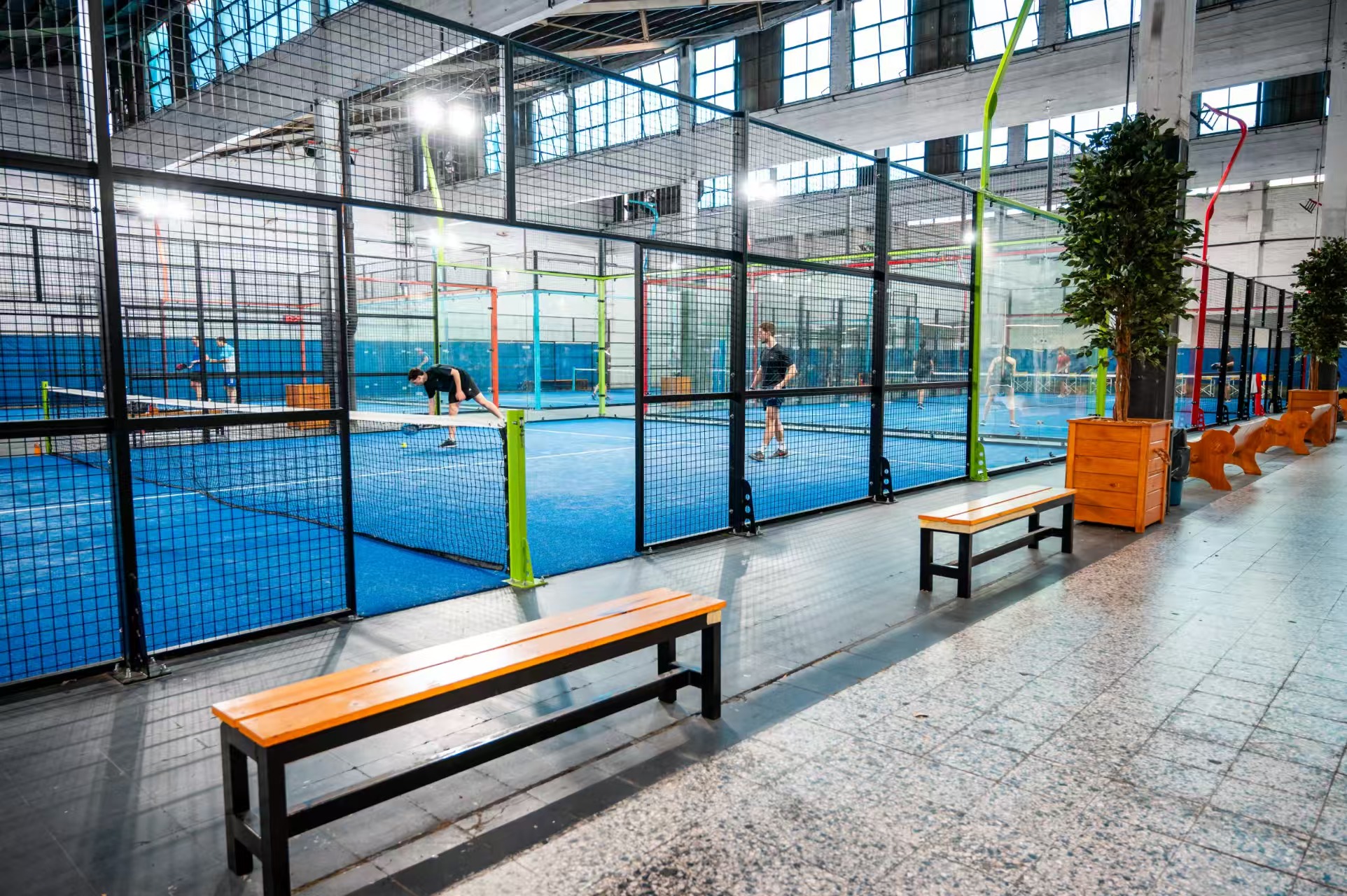
Selecting the right padel court supplier requires careful consideration of multiple factors that directly impact your investment's long-term success. The growing popularity of padel tennis has created a competitive market where choosing the appropriate supplier can determine whether your facility thrives or struggles. Understanding the key guidelines for supplier selection ensures you make an informed decision that aligns with your business objectives and customer expectations. A reliable padel court supplier should demonstrate expertise in design, construction quality, and ongoing support services.
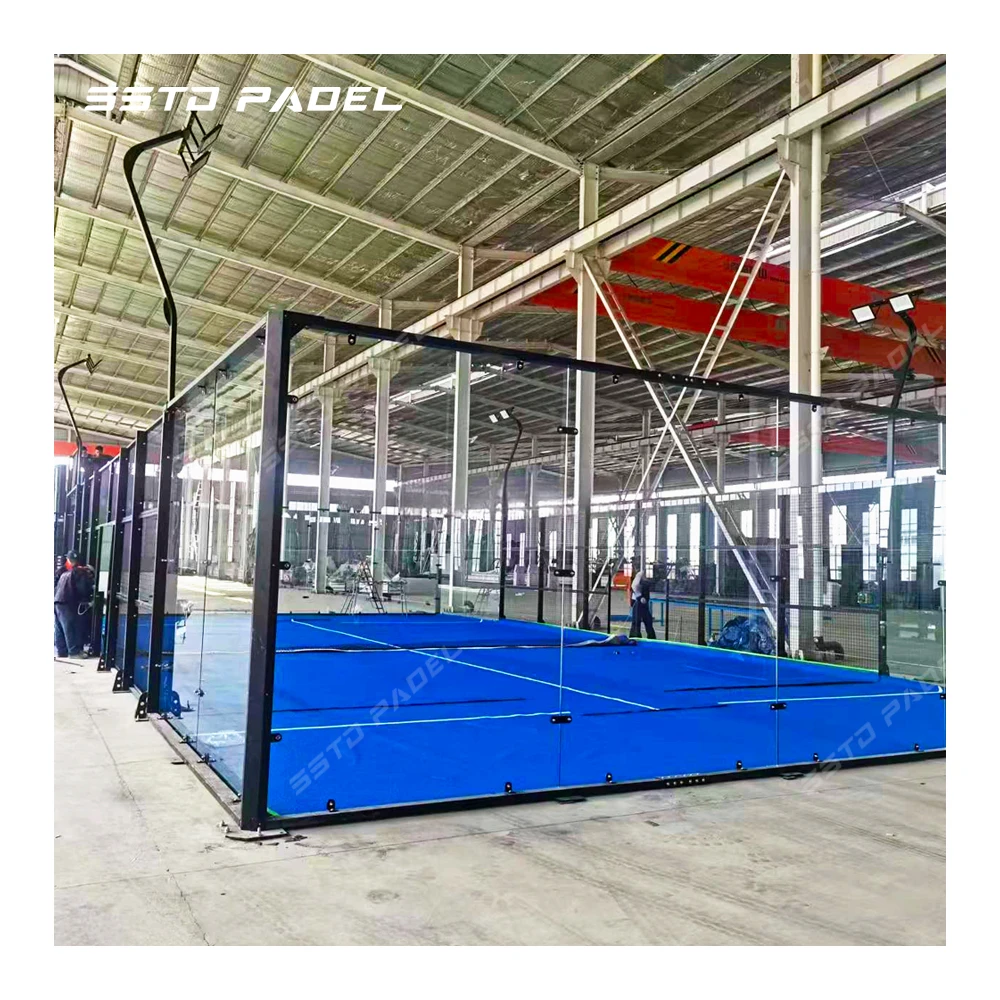
Essential Supplier Evaluation Criteria
Manufacturing Experience and Track Record
A reputable padel court supplier should possess extensive manufacturing experience with documented project portfolios showcasing their expertise. Reviewing their previous installations provides valuable insights into their construction quality, design capabilities, and project management skills. Experienced suppliers understand the technical specifications required for professional padel court construction and can navigate potential challenges during installation. Their track record should include successful projects across different climates and terrain conditions, demonstrating adaptability and technical competence.
The supplier's manufacturing facility and production capacity indicate their ability to meet project deadlines and quality standards. Companies with modern production facilities typically invest in advanced manufacturing processes that ensure consistent quality and precision. Additionally, their experience with international projects suggests familiarity with various regulatory requirements and standards, which is crucial for compliance and certification purposes.
Technical Specifications and Compliance Standards
Professional padel court construction requires adherence to specific technical standards established by governing bodies such as the International Padel Federation. Your chosen supplier should demonstrate comprehensive knowledge of these standards and provide detailed technical documentation for their products. This includes specifications for court dimensions, wall heights, surface materials, and safety requirements that ensure player safety and optimal game performance.
Quality certifications and compliance with international standards serve as indicators of the supplier's commitment to excellence. Look for suppliers who maintain ISO certifications and follow established quality management systems. Their products should meet or exceed industry standards for durability, safety, and performance, ensuring your investment provides long-term value and minimal maintenance requirements.
Construction Quality and Material Standards
Surface Material Selection and Performance
The playing surface represents a critical component of any padel court installation, directly affecting game quality and player experience. Professional suppliers should offer various surface options with detailed performance characteristics, including ball bounce consistency, traction properties, and weather resistance. High-quality surfaces maintain their performance characteristics over time, reducing replacement costs and ensuring consistent playing conditions.
Artificial turf systems designed specifically for padel court applications should feature appropriate pile height, density, and infill materials. The supplier should provide technical data demonstrating surface performance under various weather conditions and usage levels. Additionally, they should offer guidance on surface maintenance requirements and expected lifespan to help you make informed decisions about long-term operational costs.
Structural Engineering and Safety Features
Structural integrity forms the foundation of safe and durable padel court construction. Your supplier should employ qualified structural engineers who design courts capable of withstanding local weather conditions, including wind loads, temperature variations, and seismic requirements where applicable. The structural design should incorporate appropriate safety margins and comply with local building codes and regulations.
Glass wall systems require particular attention to safety standards and impact resistance. Professional-grade tempered or laminated glass should meet international safety standards while providing excellent visibility for spectators and players. The framing system must support glass panels securely while allowing for thermal expansion and contraction. Metal components should feature appropriate corrosion resistance treatments suitable for your local climate conditions.
Installation Services and Project Management
Comprehensive Project Planning and Timeline Management
Effective project management distinguishes professional padel court suppliers from basic manufacturers. Your supplier should provide detailed project timelines with clear milestones and deliverable dates. This includes site preparation requirements, material delivery schedules, installation phases, and completion testing procedures. Professional project management ensures minimal disruptions to your existing operations and timely facility opening.
Site evaluation and preparation represent crucial early phases requiring technical expertise and local knowledge. The supplier should conduct thorough site assessments to identify potential challenges such as drainage requirements, utility relocations, or access limitations. Their planning should address these challenges proactively, preventing costly delays and ensuring smooth project execution from start to finish.
Installation Team Qualifications and Support
Professional installation teams should possess specific training and certification in padel court construction techniques. The supplier should provide evidence of their installation team's qualifications and experience with similar projects. Skilled installers understand the precision required for proper court alignment, surface installation, and glass panel positioning that ensures optimal playing conditions and safety compliance.
On-site supervision and quality control during installation demonstrate the supplier's commitment to excellence. They should provide experienced project supervisors who monitor installation progress, ensure adherence to specifications, and address any issues that arise during construction. Post-installation testing and certification verify that the completed padel court meets all performance and safety requirements before handover.
Warranty Coverage and After-Sales Support
Comprehensive Warranty Programs
Robust warranty coverage reflects the supplier's confidence in their product quality and construction methods. Professional padel court suppliers should offer comprehensive warranties covering structural components, surface materials, and installation workmanship for reasonable periods. Different components may require different warranty terms based on their expected performance characteristics and maintenance requirements.
Warranty terms should clearly define coverage limitations, maintenance requirements, and claim procedures. Understanding these details helps you plan for long-term facility management and budget for potential maintenance costs. The supplier should maintain adequate insurance coverage and financial stability to honor warranty commitments throughout the coverage period.
Ongoing Maintenance and Technical Support
Professional suppliers provide ongoing technical support and maintenance guidance to help maximize your padel court investment. This includes detailed maintenance schedules, recommended cleaning procedures, and troubleshooting guides for common issues. Access to replacement parts and maintenance supplies ensures your facility can maintain optimal playing conditions throughout its operational life.
Training programs for your maintenance staff demonstrate the supplier's commitment to long-term customer success. These programs should cover routine maintenance procedures, safety protocols, and basic troubleshooting techniques. Regular facility inspections and preventive maintenance recommendations help identify potential issues before they become costly problems requiring major repairs or replacements.
Cost Considerations and Value Analysis
Total Cost of Ownership Evaluation
Evaluating padel court suppliers requires analysis beyond initial purchase prices to include total ownership costs over the facility's expected lifespan. This comprehensive approach considers maintenance requirements, energy consumption, replacement part availability, and potential upgrade costs. Professional suppliers should provide detailed cost projections that help you understand the financial implications of your investment decision.
Financing options and payment terms can significantly impact your project's financial viability. Some suppliers offer flexible payment schedules or financing arrangements that align with your cash flow requirements. Understanding all available options helps you structure the purchase agreement to optimize your financial position while ensuring project completion within budget constraints.
Return on Investment Considerations
Quality padel court installations typically generate higher revenue potential through increased usage rates and premium pricing opportunities. Professional-grade courts attract serious players willing to pay higher fees for superior playing conditions and facility amenities. Your supplier should provide market analysis and revenue projection support to help justify the investment in higher-quality construction and materials.
Long-term durability and minimal maintenance requirements contribute significantly to investment returns. Higher-quality padel court systems may require larger initial investments but typically provide better long-term value through reduced operating costs and extended service life. Professional suppliers should provide detailed lifecycle cost analyses that demonstrate the financial benefits of investing in quality construction and materials.
FAQ
How long does padel court installation typically take from start to finish
Professional padel court installation usually requires 4-8 weeks from project start to completion, depending on site conditions and customization requirements. This timeline includes site preparation, foundation work, structural installation, surface application, and final testing. Weather conditions and permit approval processes may extend this timeframe, so professional suppliers typically provide detailed project schedules with appropriate contingency allowances.
What maintenance requirements should I expect for a new padel court
Regular maintenance for professional padel court facilities includes daily cleaning of playing surfaces, weekly inspection of glass panels and structural components, and monthly deep cleaning procedures. Surface materials typically require periodic infill redistribution and annual professional inspections. Glass panels need regular cleaning and occasional replacement due to impact damage, while metal components require periodic inspection for corrosion and structural integrity.
Can padel courts be customized for specific climate conditions
Professional padel court suppliers offer various customization options to address specific climate challenges including enhanced drainage systems for high rainfall areas, UV-resistant materials for intense sunlight exposure, and cold-weather modifications for freeze-thaw cycles. Structural modifications can accommodate high wind loads or seismic requirements, while surface materials can be selected based on temperature ranges and humidity levels typical in your location.
What certification standards should padel courts meet for professional competition
Professional competition padel court facilities must comply with International Padel Federation standards covering court dimensions, wall heights, surface specifications, and safety requirements. These standards ensure consistent playing conditions across different venues and maintain player safety during competitive events. Professional suppliers should provide certification documentation demonstrating compliance with relevant international and local standards for tournament-level facilities.