 EN
EN

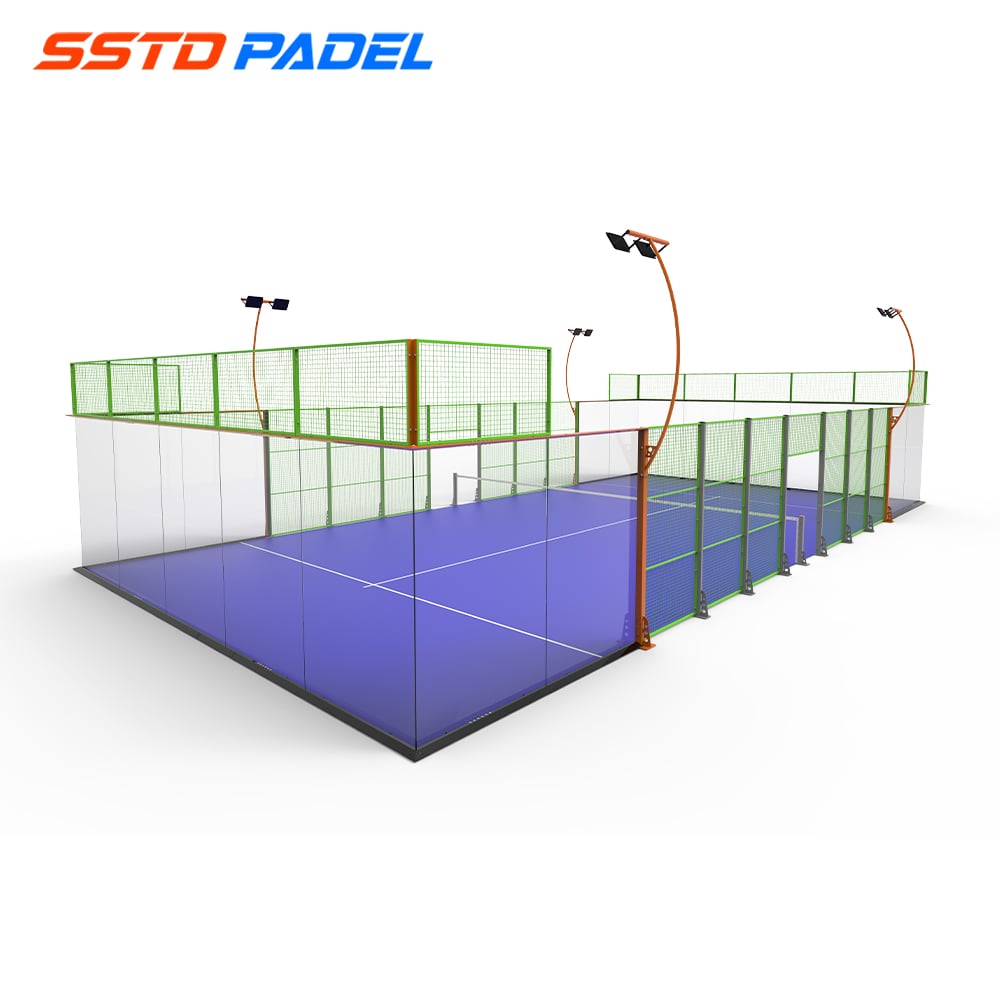
Importing a Padel Court from China is manageable when the project is treated as a coordinated equipment purchase rather than a simple online order. The court itself is only one part of the process. Buyers also need to define the configuration, check the supplier's quotation, prepare the site, choose a delivery term, arrange customs clearance and inspect the shipment when it arrives.
The most common problems happen before production starts. A buyer approves a quotation without a complete bill of materials, assumes that shipping includes every destination charge, or discovers that the local foundation does not match the court's anchor positions. A clear process reduces these risks and gives the buyer a realistic project budget.
This guide is for importers, distributors, contractors, club investors and operators planning to purchase Padel Courts from a Chinese manufacturer.
Step 1: Define the project before contacting suppliers
Prepare a short project brief before requesting prices. A supplier can quote more accurately when the basic conditions are known.
Include:
- destination country, city and delivery address or port;
- number of courts and expected order quantity;
- indoor or outdoor installation;
- preferred court type or reference images;
- available site dimensions and current site photos;
- whether a roof, canopy or other weather-protection structure is required;
- preferred colours, branding and door arrangement;
- local electrical conditions for the lighting system;
- site access for containers, trucks, forklifts or lifting equipment;
- target production, shipping and installation schedule.
If the site is coastal, humid, exposed to strong wind or subject to snow, include that information at the first quotation stage. It may affect the structural and surface-treatment discussion. The final suitability of the court and any supporting structure must be checked against the project location and local engineering requirements.
A useful project brief does not need to contain every technical answer. It needs to identify the questions that affect scope and price.
Step 2: Select a supplier and check the product scope
A low factory price is not enough for a successful import. Check whether the supplier can clearly identify the court model, materials, components and export responsibilities.
Review the supplier's:
- product range and model information;
- manufacturing and quality-control information;
- experience with export packing and international shipments;
- response to technical questions;
- ability to provide drawings, packing information and commercial documents;
- after-sales communication and installation documentation;
- references or project information that can be verified.
SSTD's Padel Court product range and standard panoramic Padel Court can be used as starting points for reviewing model scope. A product page is not a substitute for the project quotation. The order should be based on the final configuration, bill of materials and approved drawings.
Ask the supplier to identify what is included in the complete court package. For SSTD's reference package, the equipment scope includes the main steel structure, tempered glass, mesh enclosure, artificial turf, lighting, net and related court accessories. International freight, destination customs charges, local foundation work, unloading, installation and other site services are separate unless the quotation expressly includes them.
Step 3: Request a comparable quotation
Send the same project brief to each supplier. Ask for a quotation that separates the equipment package from logistics and local work.
The quotation should state:
|
Quotation section |
Information to request |
|
Court identification |
Model, design type, quantity and dimensions |
|
Structure |
Main material, sections, surface treatment and connection method |
|
Glass |
Tempered glass type, thickness, processing and packing method |
|
Enclosure |
Mesh, posts, doors, hardware and access arrangement |
|
Surface |
Turf type, colour, court lines and laying materials |
|
Lighting |
Number of lights, power, protection rating and included brackets or wiring |
|
Accessories |
Net, posts, anchors, bolts, fasteners and spare items |
|
Packing |
Packing method, package count, dimensions, weight and packing list |
|
Commercial terms |
Payment schedule, validity and production conditions |
|
Delivery term |
Named Incoterm and named port or place |
|
Exclusions |
Freight, duties, taxes, foundation, unloading, installation and electrical work |
Do not compare one supplier's complete equipment package with another supplier's frame-only price. If a quotation uses a term such as "complete court," ask for the component list and quantities in writing.
Step 4: Confirm the technical documents before production
Once the model and commercial scope are clear, review the technical documents before paying the production deposit or releasing the order.
Depending on the project, the document set may include:
- approved product specification;
- court layout and foundation or anchor information;
- lighting layout and electrical requirements;
- component or bill-of-materials list;
- colour and branding confirmation;
- packing list format;
- installation instructions;
- inspection and acceptance requirements.
The foundation should be designed with the selected court and local site conditions in mind. Do not assume that a generic concrete slab or an existing tennis-court surface is suitable. Check level, drainage, structural condition, anchor locations, access and any local construction requirements before the foundation is built.
The same principle applies to a roof or canopy. SSTD lists covered Padel Court solutions as a separate category. A roof changes the structural, foundation, drainage, permit and shipping scope. It should be quoted as a project-specific structure rather than treated as an automatic part of an outdoor court.
Step 5: Choose the shipping term and understand the cost boundary
The agreed Incoterm affects who arranges and pays for different parts of the transport. It should appear in the quotation together with the named port or place. FOB, CIF, DAP, DDP and other terms do not describe the same responsibility allocation.
For a first budget, separate the costs into four groups:
- The complete Padel Court equipment package.
- International transport and any agreed insurance or handling.
- Destination import charges, including customs clearance, duties and taxes where applicable.
- Local project work, such as foundation, unloading, installation, electrical connection and site finishing.
A CIF quotation may include sea freight to a named destination port, but it does not automatically mean that the goods will arrive at the project site with customs clearance, inland transport and unloading completed. A DDP quotation may allocate more destination responsibilities to the seller, but the exact scope still needs to be stated and confirmed for the destination country.
The buyer or local importer should confirm customs classification, import taxes, clearance requirements, restricted materials and documentation with a qualified customs professional or local broker. Requirements vary by country and can change. The supplier can prepare commercial and packing documents for the shipment, but the destination authority determines the import treatment.
Step 6: Prepare the import documents
The exact document set depends on the destination, carrier, bank and agreed trade term. Common documents for an equipment shipment may include:
- commercial invoice;
- packing list;
- bill of lading or other transport document;
- sales contract or purchase order;
- certificate of origin when required;
- insurance document when insurance is arranged;
- product specification or component list;
- installation or handling information where needed;
- documents requested by the destination customs broker or authority.
The names, quantities, weights, package numbers and values should be consistent across the documents. Glass, steel components, turf, lighting and accessories may be packed in separate packages, so the packing list must be detailed enough for receiving and customs checks.
Before shipment, confirm who will receive the original or electronic documents, who will submit the customs entry and who will pay destination charges. Do not wait until the container arrives to discover that the importer of record, broker or delivery address is unclear.
Step 7: Coordinate production, inspection and loading
Production should follow the approved configuration, not an informal message thread. Keep one written record of the model, colours, accessories, packing instructions and agreed exclusions.
Before loading, request the agreed production and packing evidence. Depending on the order, this may include component photos, package marks, a packing list, loading photos or a pre-shipment inspection arranged by the buyer.
Check the following points:
- model and quantity match the order;
- glass is protected and packed for ocean transport;
- doors, mesh panels, posts, anchors and fasteners are accounted for;
- turf and lighting packages match the quotation;
- package numbers correspond to the packing list;
- spare parts and installation documents are included if agreed;
- container loading leaves the shipment identifiable at destination.
A pre-shipment check cannot replace inspection at destination, but it can catch missing or visibly incorrect components before the container leaves China.
Step 8: Arrange customs clearance and local delivery
The importer, customs broker, freight forwarder and supplier should share the same shipment information. Provide the broker with the invoice, packing list, transport document and any destination-specific documents early enough for pre-arrival review.
Plan the final delivery as carefully as the ocean shipment. Confirm:
- whether the delivery vehicle can access the site;
- whether unloading equipment is available;
- where the packages will be stored if the foundation is not ready;
- who checks package condition on arrival;
- whether local permits or traffic restrictions affect delivery;
- whether the installation crew and electrical contractor are scheduled.
Steel and glass packages may require mechanical handling. The site team should understand package weights and lifting points before unloading. Store components on a prepared, secure surface and protect glass, turf and electrical items from avoidable damage.
Step 9: Inspect the shipment on arrival
Inspect the shipment before discarding packaging. Record package numbers, external damage, missing items and visible defects with photographs. Compare the delivered goods with the packing list and approved bill of materials.
A receiving record should include:
- date and location of delivery;
- container or transport reference;
- package number and condition;
- photographs of damaged packaging;
- missing or damaged component description;
- quantity received;
- notes on storage and next action.
If damage or shortage is found, notify the relevant supplier, carrier or insurer promptly and keep the evidence. Do not rely on a general statement that the shipment was "received in good condition" if the packages were not inspected.
After assembly, carry out the project acceptance checks agreed in the order. These may cover dimensions, doors, glass, mesh, turf, net, lighting, fasteners, anchors, appearance and basic operation. The exact acceptance requirements should follow the approved project documents and local rules.
Step 10: Complete installation and handover
Installation responsibility should be clear before the order is placed. Some projects use a local contractor; others ask the supplier to provide instructions or remote technical support. These arrangements are different from full on-site installation.
Before opening the court, confirm that:
- the foundation and anchors match the approved layout;
- the structure and glass are assembled correctly;
- doors and hardware operate properly;
- turf is installed and court lines are positioned correctly;
- lighting is connected by a qualified local electrician;
- drainage works as intended for an outdoor site;
- the surrounding area is safe and free from construction debris;
- the owner has received the agreed manuals and maintenance information.
For an operating club, also record replacement parts, cleaning requirements and the contact route for after-sales questions. SSTD's Padel Court maintenance guide provides a related reference for ongoing care.
A practical import checklist
Before placing the order, confirm these points in writing:
- The model, quantity and configuration are identified.
- The complete equipment scope has a component list.
- Freight and destination charges are separated from the product price.
- The Incoterm includes a named port or place.
- The importer and customs broker are identified.
- The foundation and anchor information have been reviewed locally.
- Roof, branding and other options are listed separately.
- Packing, inspection and damage-reporting responsibilities are clear.
- Delivery access and unloading equipment are arranged.
- Installation responsibility and handover documents are agreed.
FAQ
Is it reliable to import a Padel Court from China?
It can be reliable when the buyer selects a suitable supplier, approves a detailed configuration, uses clear shipping documents and checks the shipment at loading and arrival. Reliability depends on the supplier, the agreed specification, packing, transport and local project management, not only on the country of origin.
How long does it take to import a Padel Court from China?
There is no universal schedule. Production time, inspection, vessel availability, port congestion, customs clearance, inland delivery and local installation all affect the timeline. Ask the supplier and forwarder for a project-specific schedule and keep buffer time for destination work.
Can the supplier arrange shipping and customs clearance?
A supplier may offer different delivery terms and logistics services. The quotation must state exactly which transport, clearance, taxes, delivery and unloading services are included. The buyer should still confirm destination requirements with a local customs broker.
Do I need a local contractor to install the court?
Many projects need local teams for foundation work, unloading, electrical connections and site coordination. The supplier may provide installation instructions or technical support, but the quotation should state whether on-site installation is included or excluded.
Does importing from China include the foundation and roof?
Usually, the base equipment quotation does not automatically include local foundation work or a roof. These are project-specific scopes and should be added only when they are clearly designed, priced and listed in the quotation.
What information should I send to SSTD for a quotation?
Send the destination country and city, number of courts, preferred model, indoor or outdoor conditions, site photos and dimensions, roof requirements, configuration preferences, delivery destination and installation arrangement. This allows SSTD to separate the equipment package from shipping and local project costs.
Request an import quotation from SSTD
SSTD can help buyers prepare a project-specific Padel Court configuration for export from China. Start with the SSTD Padel Court range, review the project cases, and then send the project information through the SSTD contact page.
Include your country and city, quantity, preferred model, site photos, delivery port or address, roof requirements and installation plan. The quotation can then identify the complete court package, shipping scope, documentation and the items that must be arranged locally.
Sources and editorial evidence
- SSTD, Padel Court product range.
- SSTD, Standard Panoramic Padel Court.
- SSTD, Padel Court with Roof.
- SSTD, Padel Court maintenance guide.
- SSTD, Project cases.
This article explains a procurement workflow. Destination customs classification, taxes, permits, foundation design, electrical work and local structural requirements must be checked for the actual project and jurisdiction.
Table of Contents
- Step 1: Define the project before contacting suppliers
- Step 2: Select a supplier and check the product scope
- Step 3: Request a comparable quotation
- Step 4: Confirm the technical documents before production
- Step 5: Choose the shipping term and understand the cost boundary
- Step 6: Prepare the import documents
- Step 7: Coordinate production, inspection and loading
- Step 8: Arrange customs clearance and local delivery
- Step 9: Inspect the shipment on arrival
- Step 10: Complete installation and handover
- A practical import checklist
-
FAQ
- Is it reliable to import a Padel Court from China?
- How long does it take to import a Padel Court from China?
- Can the supplier arrange shipping and customs clearance?
- Do I need a local contractor to install the court?
- Does importing from China include the foundation and roof?
- What information should I send to SSTD for a quotation?
- Request an import quotation from SSTD
- Sources and editorial evidence